Midjourney Cityscapes: Create Stunning Urban Environments with AI Prompts
Master the art of generating breathtaking cityscapes in Midjourney with our comprehensive guide. Learn architectural styles, urban planning, and atmospheric effects for stunning AI art.
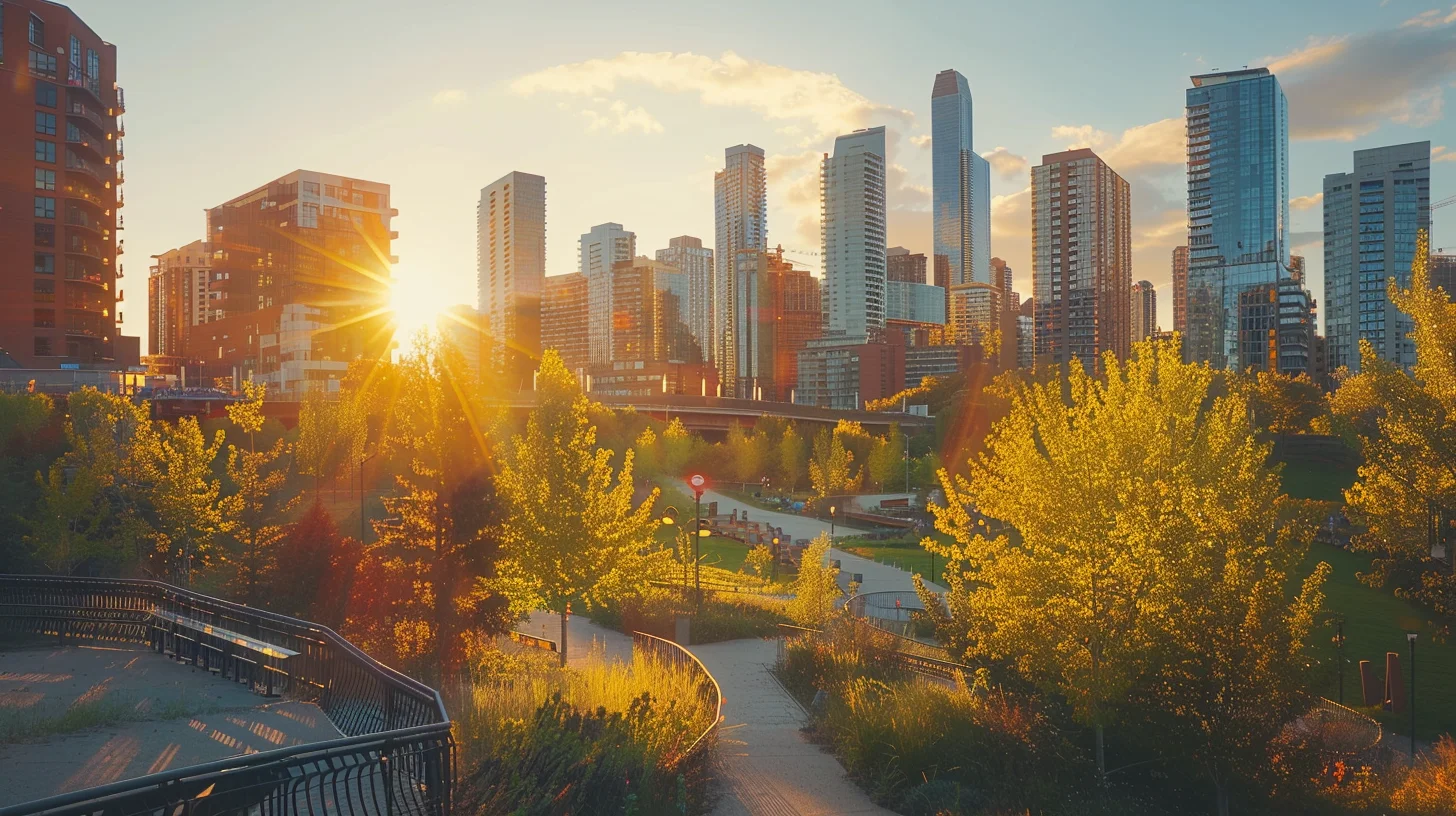
Introduction
Creating cityscapes in Midjourney requires understanding architectural design, urban planning, and atmospheric effects. This guide helps you craft effective prompts for generating urban environments.
Core Cityscape Categories
Modern Metropolis
Historical Cities
Cyberpunk/Future
Fantasy Cities
Post-Apocalyptic
Cityscape-Specific Parameters
Cityscape-Specific Parameters
Note:
Photorealistic cityscapes require attention to architectural consistency, proper perspective (one-point, two-point, or three-point), lighting direction (golden hour, blue hour, night), and atmospheric depth combined with --style raw and appropriate --stylize values.
Basic Elements
A well-structured cityscape prompt includes:
Urban Type
- Modern cities (contemporary architecture)
- Historical towns (medieval, renaissance)
- Future metropolis (sci-fi, cyberpunk)
- Fantasy cities (magical, floating)
- Post-apocalyptic (ruined, abandoned)
Design Elements
- Architecture style (gothic, art deco, brutalist)
- Urban features (streets, parks, monuments)
- City atmosphere (busy, quiet, mysterious)
- Time period (specific era or contemporary)
- Weather conditions (sunny, rainy, foggy)
- Time of day (dawn, noon, sunset, night)
Technical Parameters
- View perspective (aerial, street level, bird's eye)
- Lighting setup (natural, artificial, dramatic)
- Rendering style (photorealistic, artistic, cinematic)
- Detail level (macro, wide shot, close-up)
- Camera angle (low, high, eye-level)
- Depth of field (shallow, deep)
Note:
The most compelling cityscapes often combine elements from different categories. Experiment with unexpected combinations.
Prompt Templates
Basic Cityscape
[city type] with [architectural style]:
- Buildings: [structure details]
- Features: [urban elements]
- Atmosphere: [mood and time]
- View: [perspective]
--ar 16:9 --v 5
Detailed Urban Environment
[specific city] urban environment:
- Architecture: [building styles]
- Elements: [city features]
- Atmosphere: [environmental conditions]
- Lighting: [time and mood]
- Perspective: [viewing angle]
--ar 16:9 --v 5 --q 2
Style Examples
Modern Metropolis
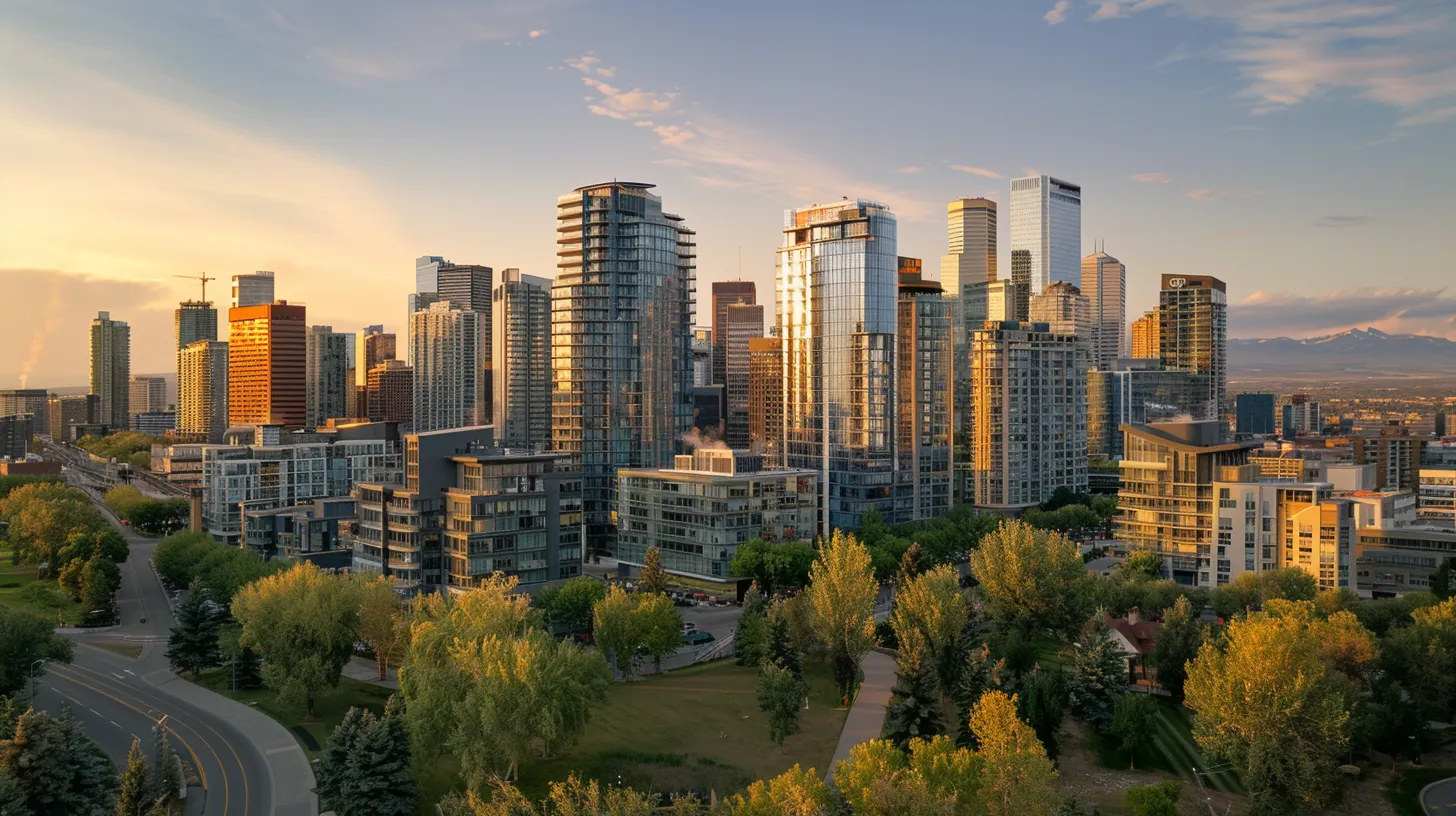
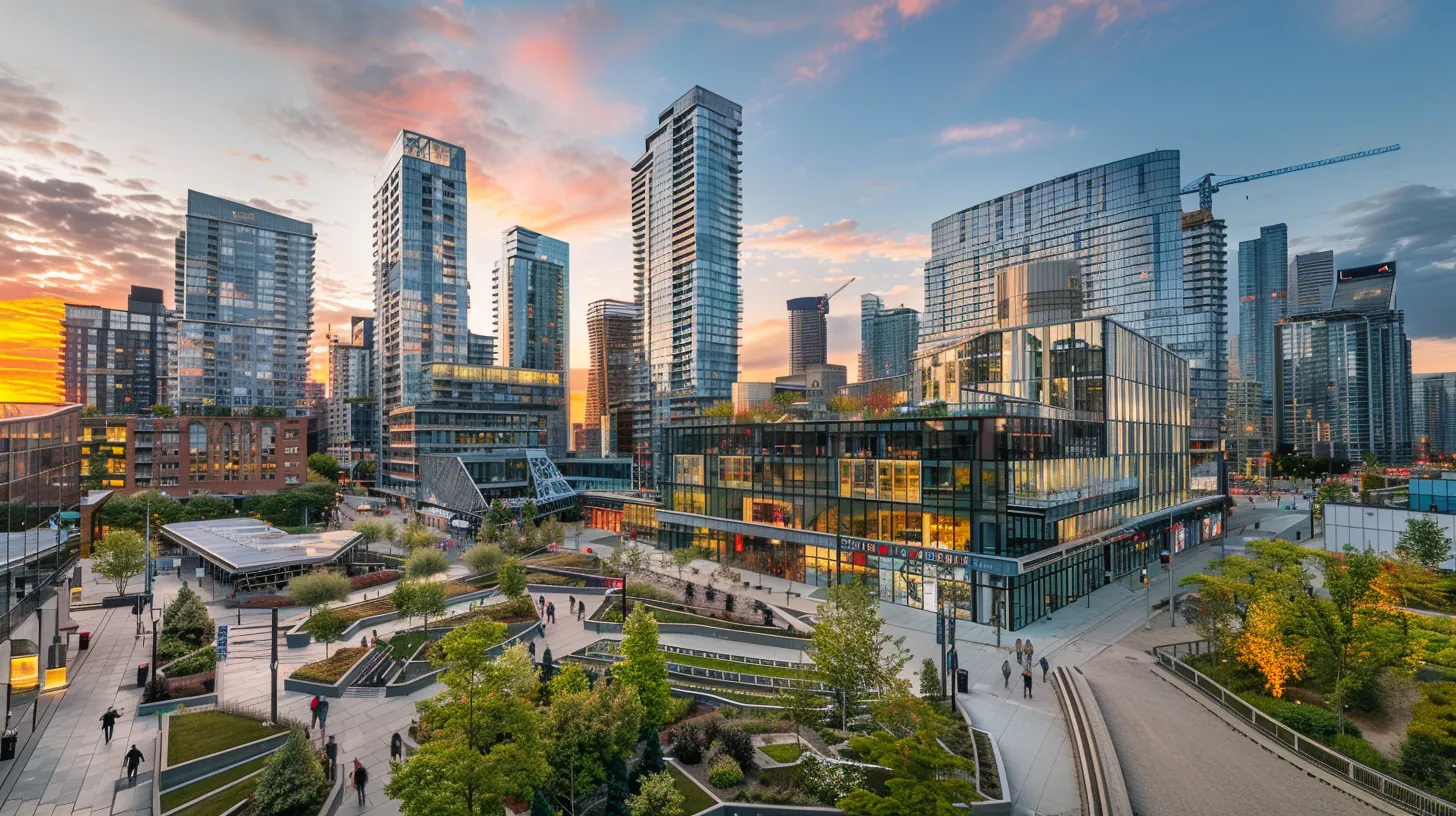
Create a contemporary downtown cityscape at golden hour with aerial perspective. Environment: - **Foreground**: Urban park with tree canopy, pedestrian pathways, city plaza - **Midground**: Modern glass skyscrapers and steel structures, varied building heights - **Background**: Downtown core with high-rise towers fading into atmospheric haze - **Streets**: Busy traffic corridors, pedestrian zones, urban infrastructure Architecture: - **Building Style**: Contemporary glass curtain walls, steel and concrete construction - **Details**: Reflective facades catching golden light, geometric patterns, balconies - **Variation**: Mixed heights creating dynamic skyline, architectural diversity - **Features**: Rooftop gardens, observation decks, modern office towers Atmosphere: - **Lighting**: Warm golden hour sunlight creating rim lighting on building edges - **Weather**: Clear evening with soft atmospheric perspective - **Effects**: Glass reflections, warm glow on facades, long shadows between buildings - **Color Palette**: Warm oranges and golds on lit surfaces, cool blue shadows Technical: - **Style**: Professional architectural photography, urban landscape aesthetic - **Camera**: Aerial perspective (200-300ft elevation), wide-angle view capturing city scale - **Focus**: Sharp architectural detail on midground buildings, progressive softness toward distance --ar 16:9 --v 6 --q 2 --style raw
Key Techniques:
- Aerial perspective at 200-300ft elevation provides ideal cityscape overview without losing architectural detail
- Use "glass curtain walls" and "reflective facades" to capture modern architectural character
- Specify "golden hour sunlight creating rim lighting" for dramatic building edge highlights
- Include urban parks or green spaces for visual contrast and scale reference
- "Progressive softness toward distance" creates natural atmospheric depth in dense urban environments
Historical City
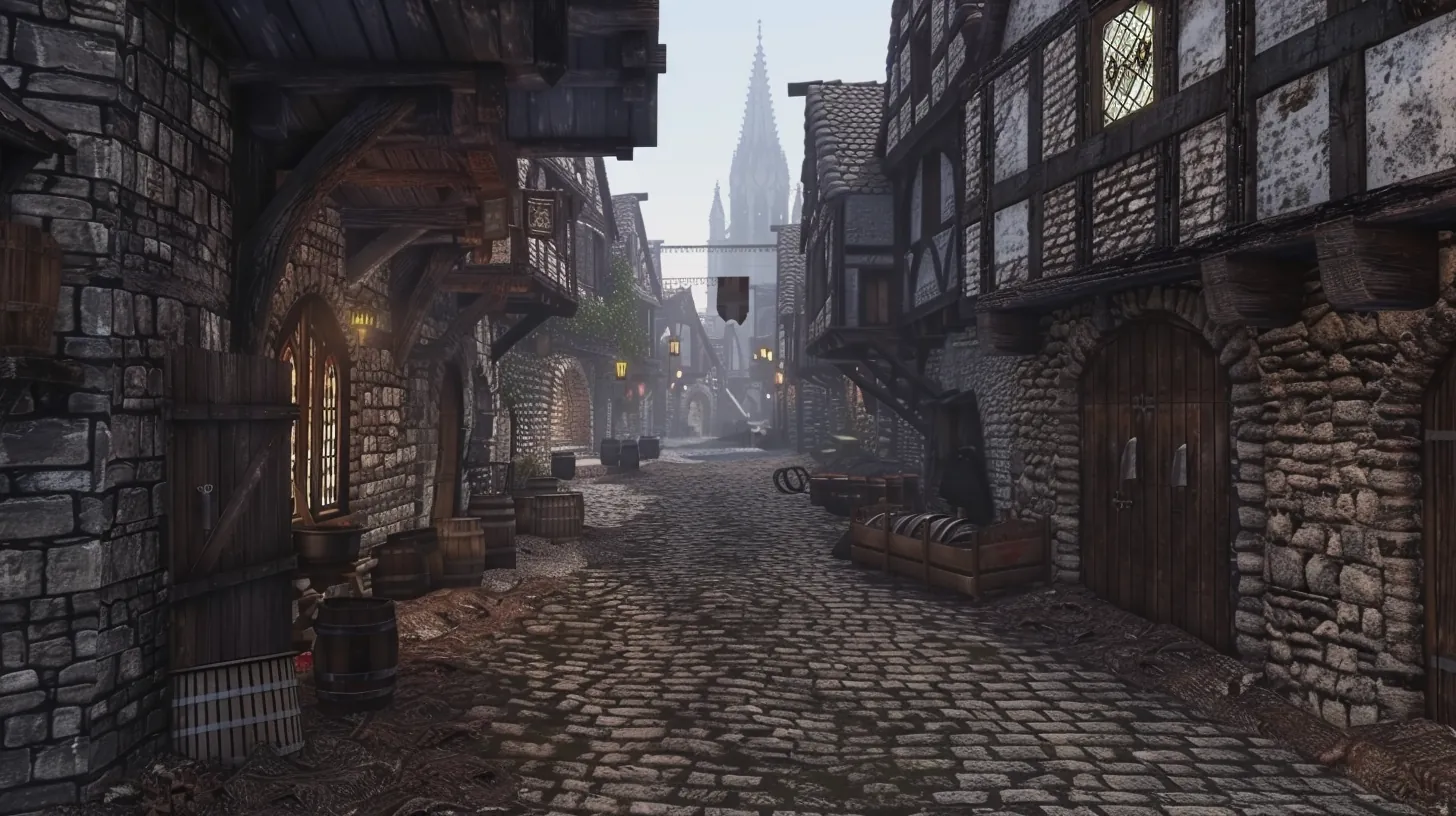
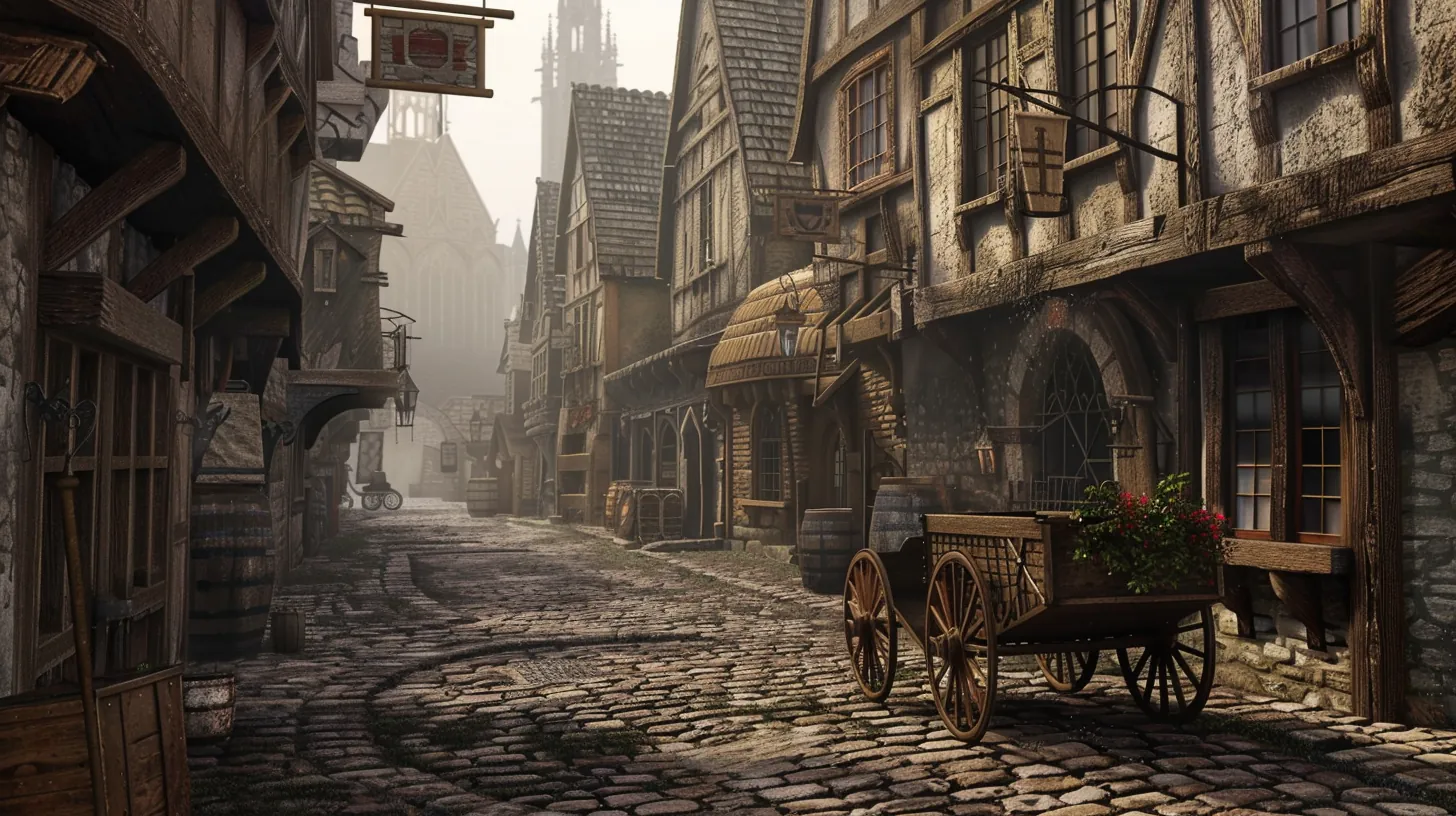
Create a medieval European city environment at dawn with street level perspective. Environment: - **Foreground**: Cobblestone street with worn stone texture, wooden cart, market stall remnants - **Midground**: Narrow medieval street lined with timber-framed buildings, stone archways - **Background**: Market square with Gothic cathedral spire, distant city walls fading into mist - **Streets**: Winding cobblestone lanes, narrow passages between buildings, uneven stone surfaces Architecture: - **Building Style**: Medieval stone construction with timber-framed upper stories, half-timbered facades - **Details**: Leaded glass windows, wooden shutters, carved door frames, slate roofs - **Materials**: Weathered limestone walls, dark timber beams, clay roof tiles, iron fixtures - **Features**: Overhanging upper floors, Gothic arched doorways, church spires, defensive towers Atmosphere: - **Lighting**: Soft dawn light filtering through morning mist, warm glow from windows - **Weather**: Light morning fog settling in streets, humid medieval atmosphere - **Effects**: Volumetric mist between buildings, soft diffused light, atmospheric depth through fog - **Color Palette**: Warm amber light, cool blue-grey mist, earth tones of stone and timber Technical: - **Style**: Historical architectural photography, period-accurate medieval aesthetic - **Camera**: Street level perspective (5-6ft height), 35mm lens for natural human viewpoint - **Focus**: Sharp foreground cobblestone detail, soft atmospheric fade toward market square --ar 16:9 --v 6 --q 2 --style raw
Key Techniques:
- Street level perspective at human eye height creates immersive historical atmosphere
- Specify "timber-framed upper stories" and "stone construction" for period-accurate architecture
- Use "morning mist settling in streets" to add atmospheric depth and historical ambiance
- Include architectural details like "leaded glass windows" and "Gothic arched doorways" for authenticity
- "Weathered limestone" and "worn cobblestone" textures convey age and historical character
Future City
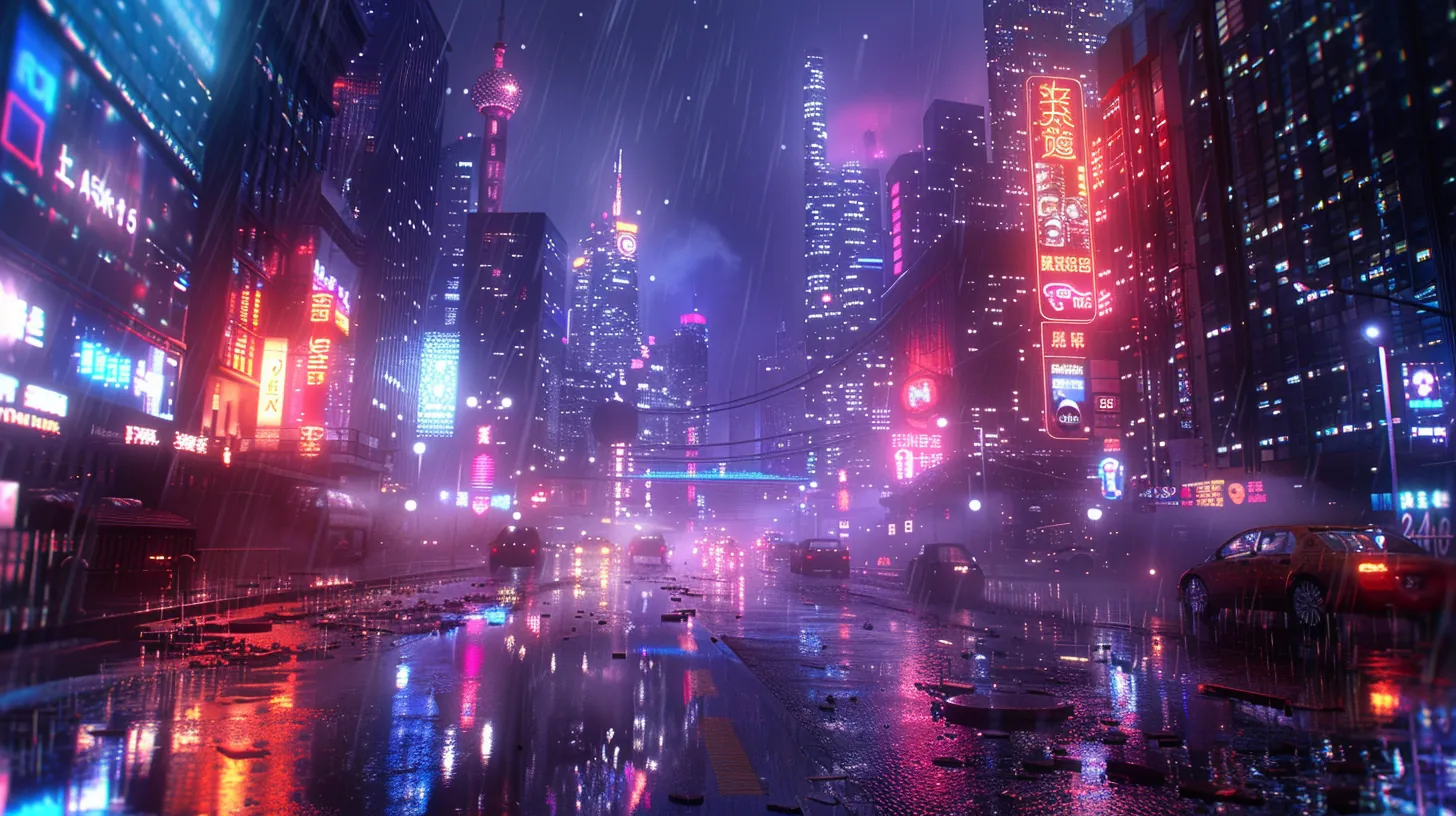
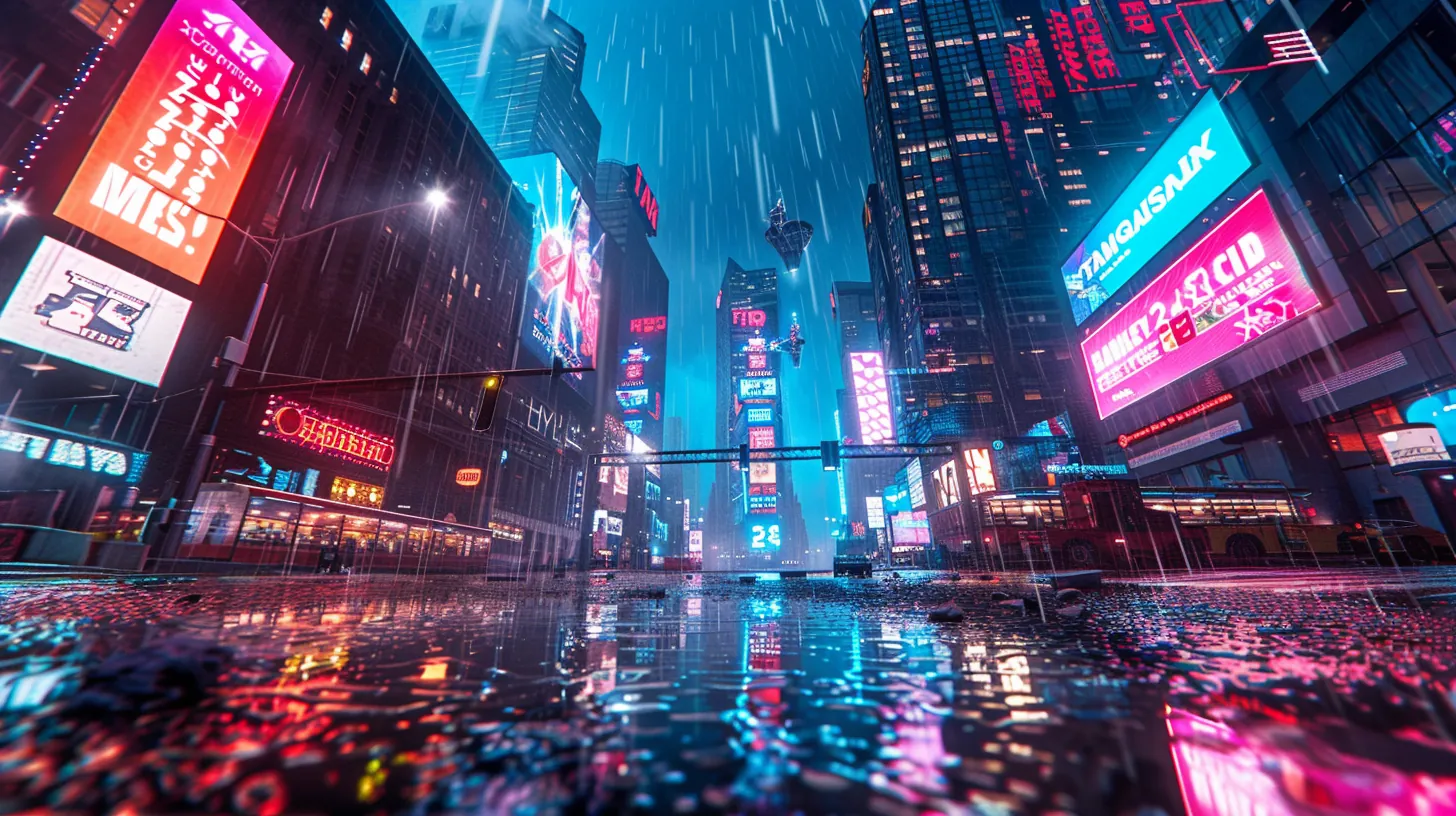
Create a futuristic cyberpunk megacity environment at night with street level perspective. Environment: - **Foreground**: Rain-slicked street reflecting neon lights, puddles with colorful reflections, urban debris - **Midground**: Towering neo-futuristic skyscrapers with holographic billboards, flying vehicles crossing between buildings - **Background**: Massive vertical city extending upward into atmospheric haze, countless lit windows creating light patterns - **Streets**: Multi-level elevated roadways, pedestrian zones with market stalls, steam vents, cable infrastructure Architecture: - **Building Style**: Neo-futuristic mega-towers with asymmetric design, vertical cities with stacked levels - **Details**: Holographic advertisements, LED strips running up building edges, exposed mechanical infrastructure - **Materials**: Glass and steel with neon accent lighting, carbon fiber panels, illuminated geometric patterns - **Features**: Sky bridges connecting towers, massive video screens, antenna arrays, industrial aesthetic Atmosphere: - **Lighting**: Vibrant neon signs (pink, cyan, purple), artificial street lighting, holographic projections - **Weather**: Light rain creating reflections, humid atmosphere with visible moisture, fog at street level - **Effects**: Volumetric light beams from signs, glowing holograms, steam rising from vents, atmospheric haze - **Color Palette**: Dominant cyan and magenta neon, deep blue-purple shadows, warm orange accent lights Technical: - **Style**: Cyberpunk cinematography, Blade Runner aesthetic, high-tech noir atmosphere - **Camera**: Street level perspective (5-6ft height), 24mm wide-angle capturing vertical scale and environmental depth - **Focus**: Sharp foreground reflections, detailed midground architecture, atmospheric fade into upper city levels --ar 16:9 --v 6 --q 2 --s 300
Key Techniques:
- Street level perspective emphasizes towering vertical scale and creates immersive cyberpunk atmosphere
- Specify "rain-slicked streets" with "puddles reflecting neon lights" for signature cyberpunk aesthetic
- Use specific neon colors "cyan, magenta, purple" rather than generic "colorful" for controlled palette
- Include "flying vehicles" and "holographic billboards" as key sci-fi elements without overwhelming composition
- "Volumetric light beams" and "atmospheric haze" create depth and characteristic cyberpunk mood lighting
Atmospheric Effects
The atmosphere of a cityscape can make or break the image. Weather and time play crucial roles in creating mood.
Weather and Time Elements
- Morning scenes: Fog, dew, soft light
- Afternoon scenes: Strong shadows, busy streets
- Evening scenes: Golden hour, long shadows
- Night scenes: Neon lights, city glow
- Weather effects: Rain, snow, fog, wind
Environmental Details
- Seasonal elements: Fallen leaves, snow, blossoms
- Natural phenomena: Rainbows, aurora, meteor showers
- Urban wildlife: Birds, street animals
- Environmental effects: Smog, steam, dust
Note:
Atmospheric effects should enhance your scene without overwhelming it. Subtle effects often create more realistic cityscapes.
Architectural Styles Deep Dive
Understanding specific architectural styles allows for period-accurate and stylistically coherent cityscapes. Each style has distinctive materials, forms, and decorative elements.
Art Deco Architecture
Art Deco emphasizes geometric patterns, vertical emphasis, and luxurious materials creating elegant urban sophistication.
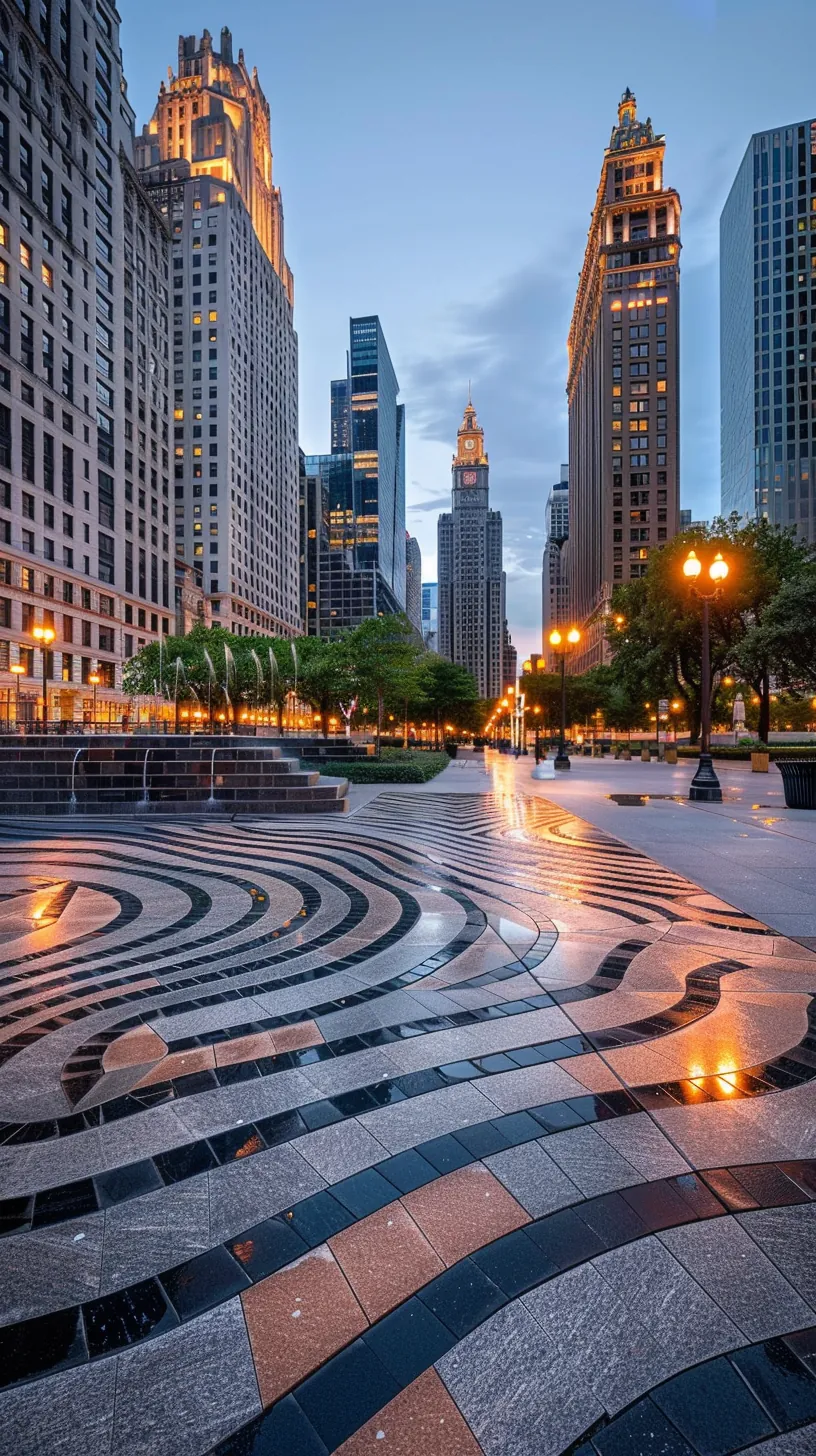
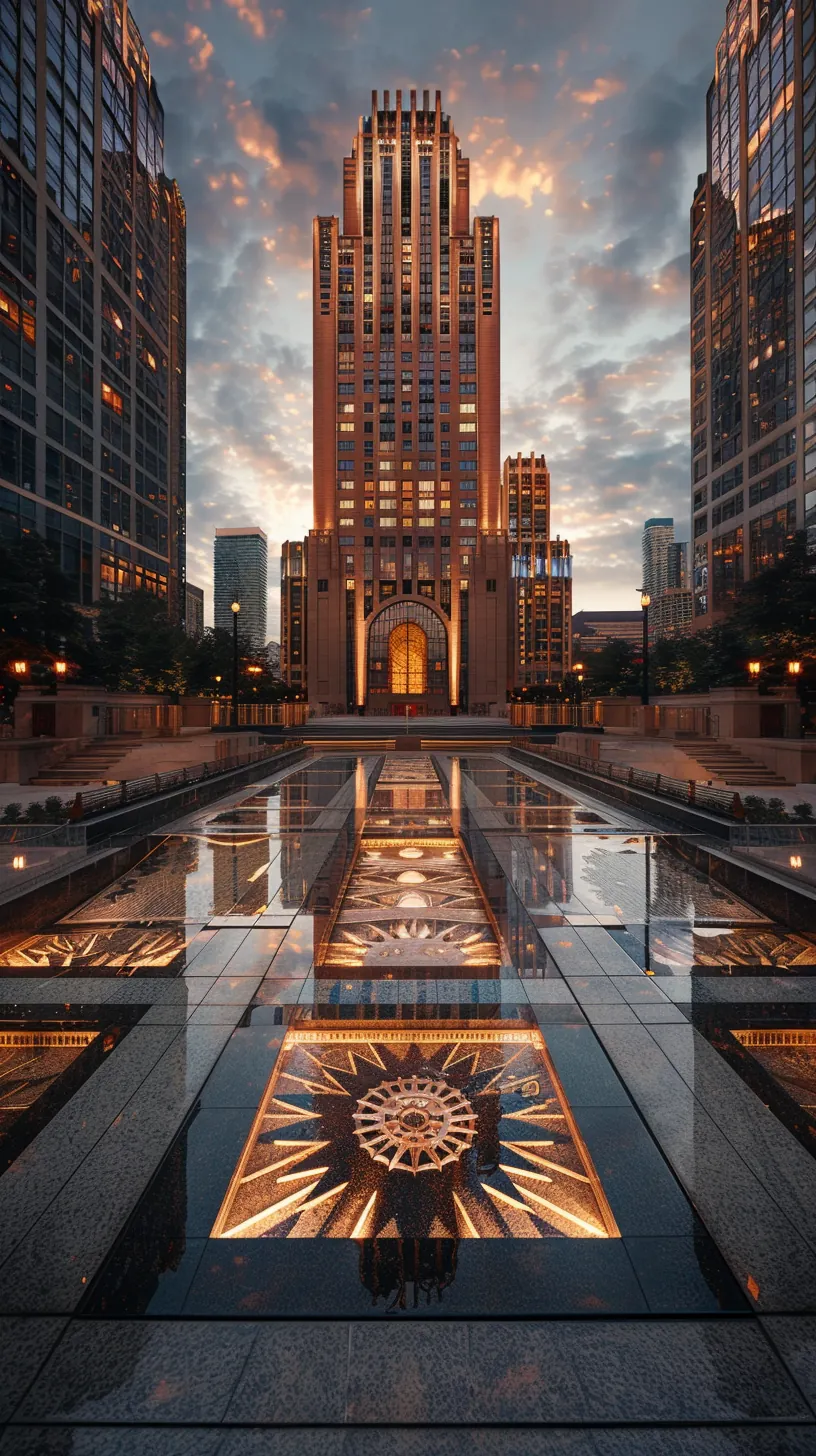
Create an Art Deco cityscape at twilight with architectural emphasis. Environment: - **Foreground**: Plaza with geometric fountain, polished granite paving, decorative bronze railings - **Midground**: Art Deco skyscrapers with stepped setback design, vertical emphasis - **Background**: Multiple towers creating classic 1920s-1930s skyline silhouette - **Streets**: Wide boulevards with period street lamps, geometric urban planning Architecture: - **Building Style**: Stepped pyramid forms, vertical emphasis with setbacks, symmetrical facades - **Details**: Geometric patterns, chevron motifs, sunburst designs, stylized floral elements - **Materials**: Limestone with bronze or gold metallic accents, polished granite, decorative terra cotta - **Features**: Crown tops with dramatic uplighting, angular window patterns, ornate entrance canopies Atmosphere: - **Lighting**: Dramatic uplighting on building facades, warm golden building lights, twilight blue sky - **Weather**: Clear evening with crisp visibility - **Effects**: Metallic surfaces catching light, geometric shadow patterns, Art Deco glamour - **Color Palette**: Bronze, gold, cream limestone, deep twilight blues Technical: - **Style**: Classic architectural photography, 1920s-1930s glamour aesthetic - **Camera**: Low angle emphasizing vertical height, 35mm perspective capturing geometric patterns - **Focus**: Sharp architectural detail on decorative elements, clean lines --ar 9:16 --v 6 --q 2 --style raw --s 150
Key Characteristics:
- Stepped setback forms create distinctive skyline silhouette
- Geometric ornamentation: chevrons, zigzags, sunbursts, stylized flora
- Luxurious materials: bronze, gold leaf, polished stone, decorative terra cotta
- Vertical emphasis with strong upward lines and dramatic uplighting
- Symmetrical compositions with central focal points
Brutalist Architecture
Brutalist design features raw concrete, massive geometric forms, and bold structural expression creating powerful urban presence.
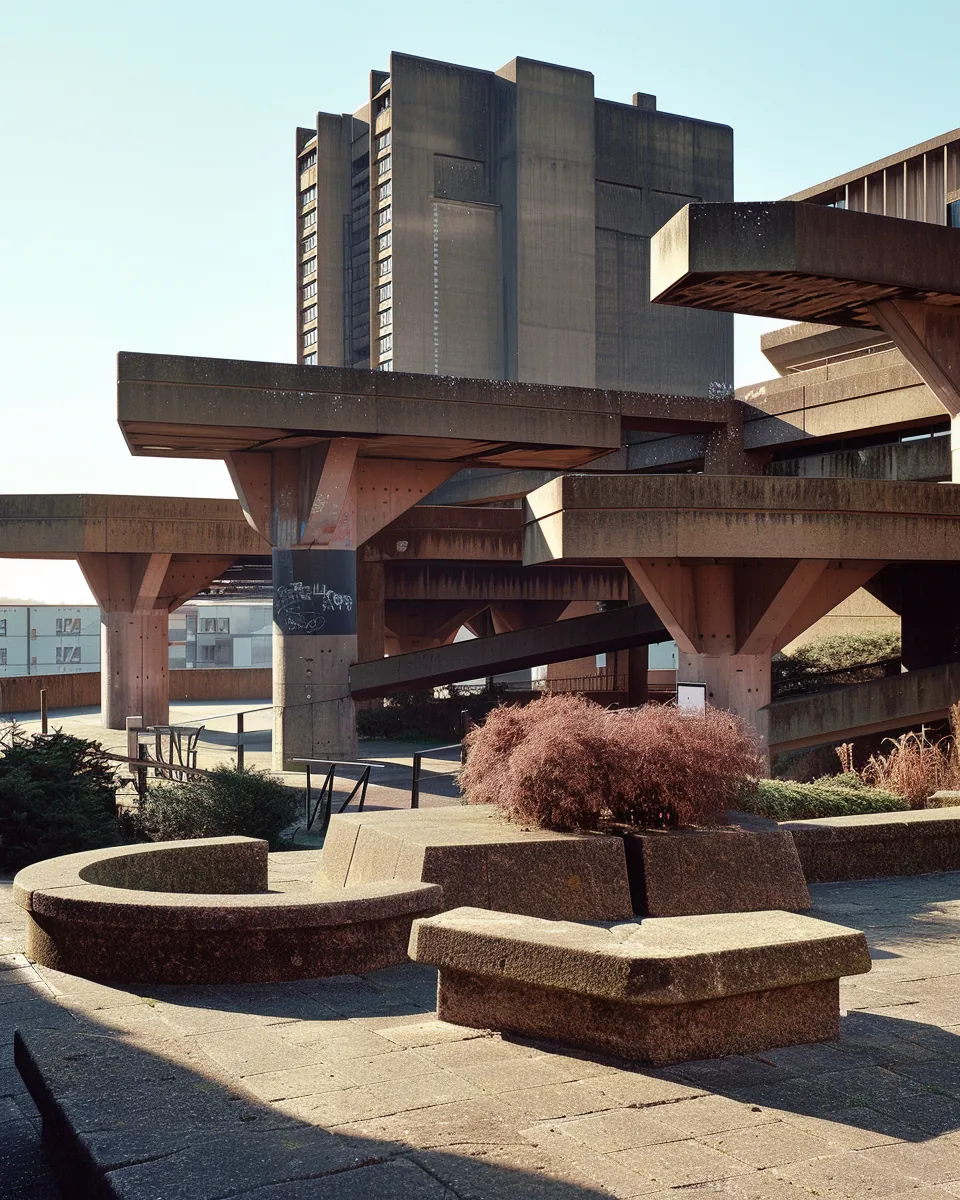
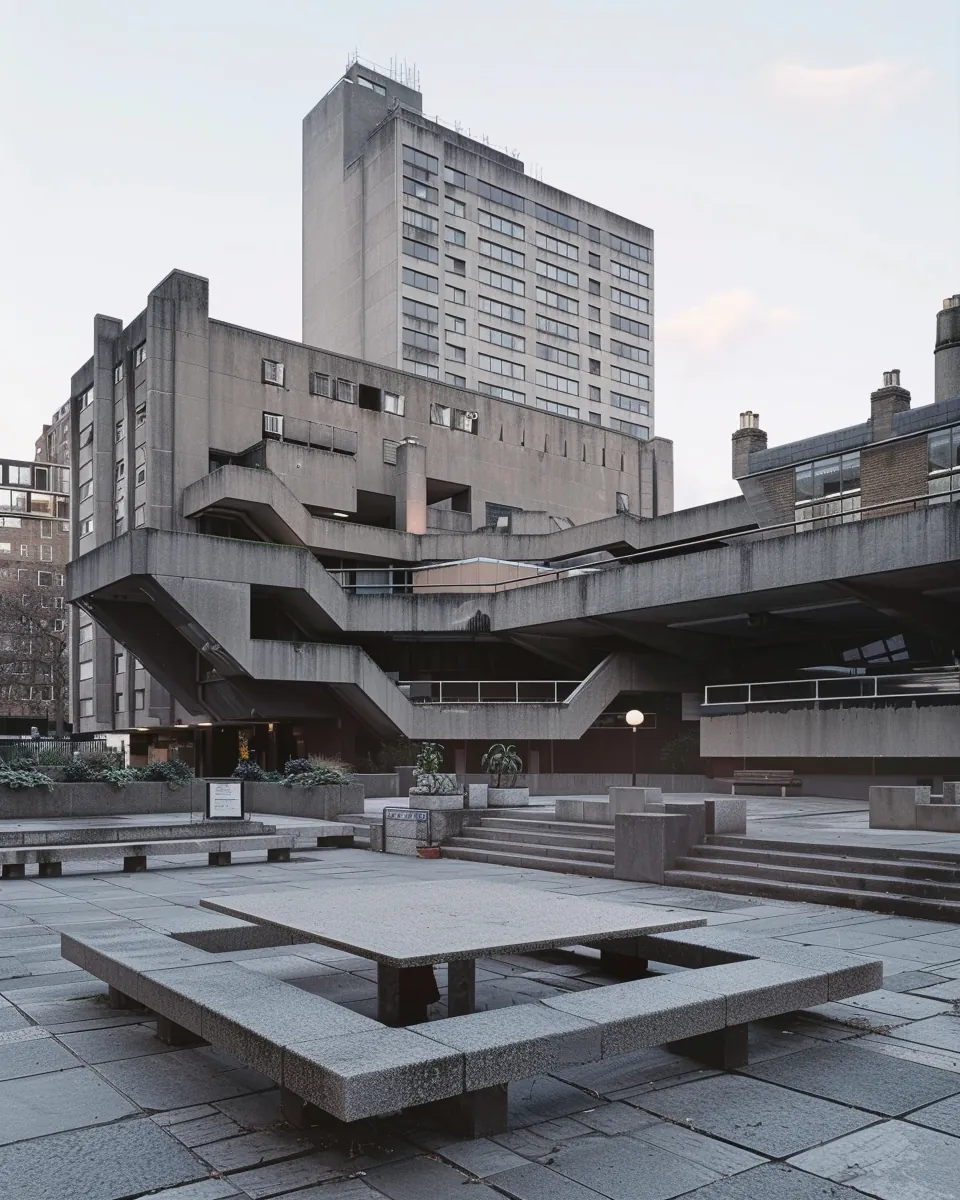
Create a Brutalist urban complex with dramatic concrete architecture. Environment: - **Foreground**: Concrete plaza with geometric benches, textured paving, brutalist landscaping - **Midground**: Massive concrete residential or civic buildings with modular repetition - **Background**: Tower blocks with exposed structural elements, urban density - **Streets**: Elevated pedestrian walkways, separated levels, urban infrastructure Architecture: - **Building Style**: Raw concrete construction, massive geometric forms, board-formed finish - **Details**: Exposed aggregate surfaces, deep-set windows creating shadow patterns, modular repetition - **Materials**: Unfinished poured concrete (béton brut), exposed structural elements, raw finishes - **Features**: Cantilevered sections, repetitive balconies, fortress-like appearance, textured formwork patterns Atmosphere: - **Lighting**: Harsh overhead sun creating dramatic shadows in deep recesses, strong contrast - **Weather**: Clear day with sharp shadows emphasizing geometric forms - **Effects**: Shadow play on textured concrete, bold light/dark contrast, architectural monumentality - **Color Palette**: Grey concrete tones, weathered patina, minimal color, stark contrast Technical: - **Style**: Architectural documentation, modernist photography aesthetic - **Camera**: Frontal perspective emphasizing geometric forms, wide-angle capturing scale - **Focus**: Sharp detail on concrete texture, formwork patterns, structural elements --ar 4:5 --v 6 --q 2 --style raw --s 100
Key Characteristics:
- Raw poured concrete (béton brut) as primary material
- Massive geometric forms emphasizing weight and structural honesty
- Repetitive modular design with bold shadow patterns
- Exposed structural elements and building systems
- Fortress-like or monumental appearance with minimal ornamentation
Gothic Revival Architecture
Gothic style features pointed arches, ornate stone carving, vertical soaring forms, and intricate decorative details.
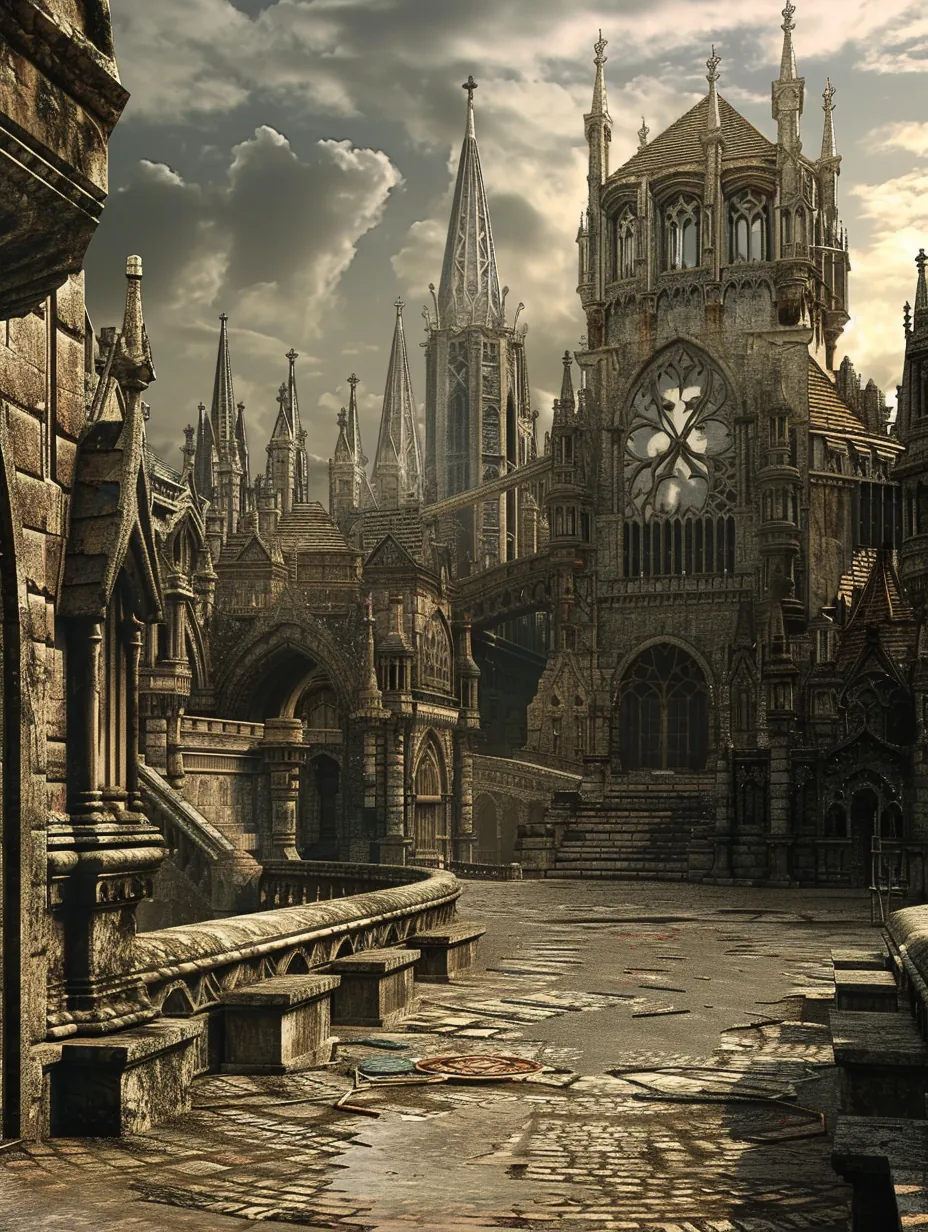
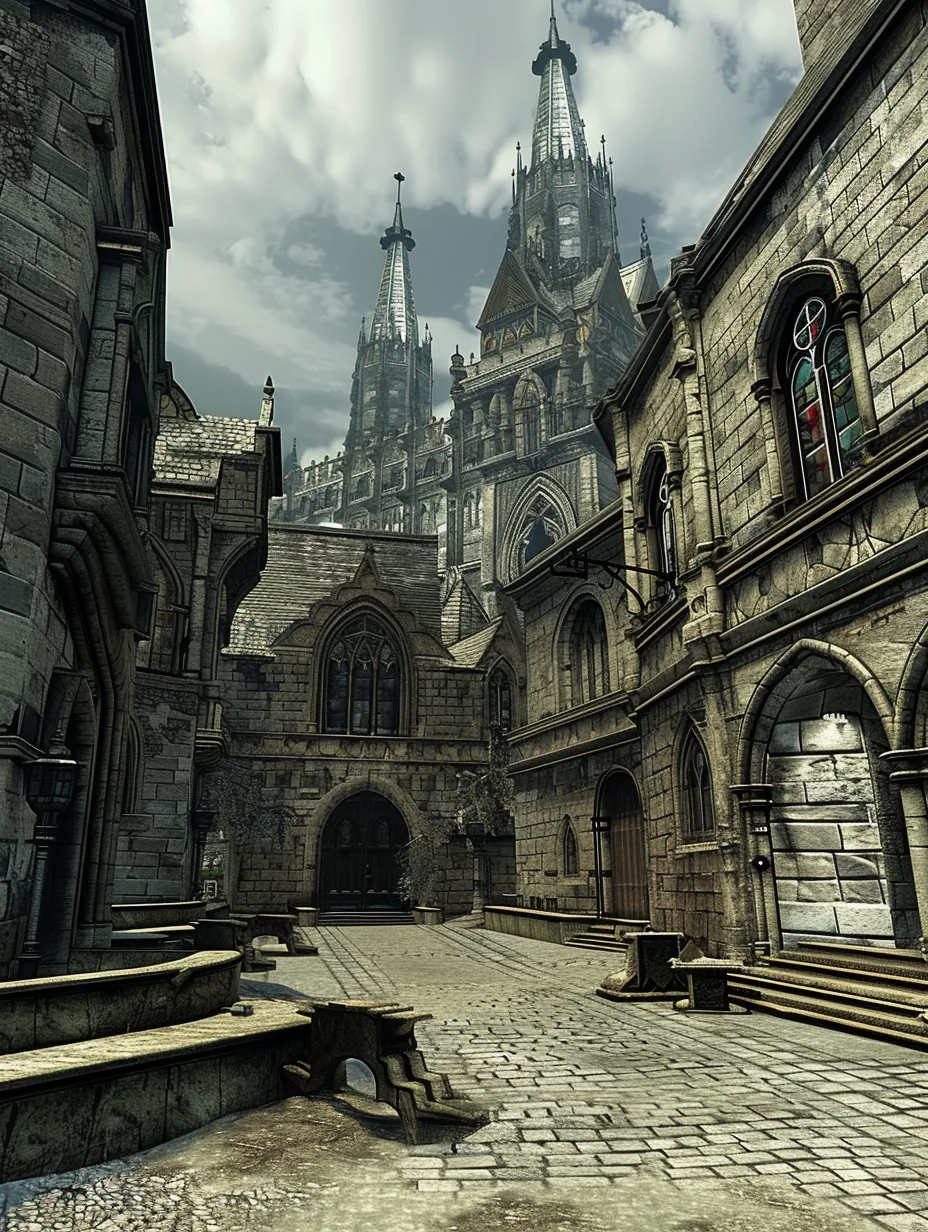
Create a Gothic Revival cathedral district with architectural grandeur. Environment: - **Foreground**: Stone courtyard with intricate paving patterns, carved stone benches - **Midground**: Gothic cathedral with flying buttresses, pointed arch windows, ornate facade - **Background**: Cathedral spires and towers reaching skyward, surrounding Gothic buildings - **Streets**: Narrow medieval-style streets, stone architecture creating canyon effect Architecture: - **Building Style**: Pointed arch construction, vertical emphasis, ribbed vaulting visible - **Details**: Flying buttresses, ornate stone tracery, carved gargoyles, decorative pinnacles - **Materials**: Limestone or sandstone with detailed carved ornamentation, stained glass windows - **Features**: Tall spires, rose windows, elaborate entrance portals, Gothic arches Atmosphere: - **Lighting**: Dramatic side light emphasizing carved stone detail, warm interior glow from stained glass - **Weather**: Partly cloudy with dramatic sky enhancing Gothic atmosphere - **Effects**: Light filtering through ornate stonework, atmospheric reverence, architectural drama - **Color Palette**: Weathered stone greys, warm sandstone, jewel-toned stained glass accents Technical: - **Style**: Architectural photography emphasizing grandeur and detail - **Camera**: Low angle emphasizing vertical height and soaring forms, 24mm wide-angle - **Focus**: Sharp detail on carved stone ornamentation, tracery patterns, architectural elements --ar 3:4 --v 6 --q 2 --style raw --s 150
Key Characteristics:
- Pointed arches as primary structural and decorative element
- Flying buttresses providing external structural support
- Vertical emphasis with soaring spires and towers
- Ornate stone tracery and carved decoration
- Stained glass windows with intricate patterns
Futurist Architecture
Futurist design embraces curves, parametric forms, and organic shapes creating dynamic, forward-looking urban environments.
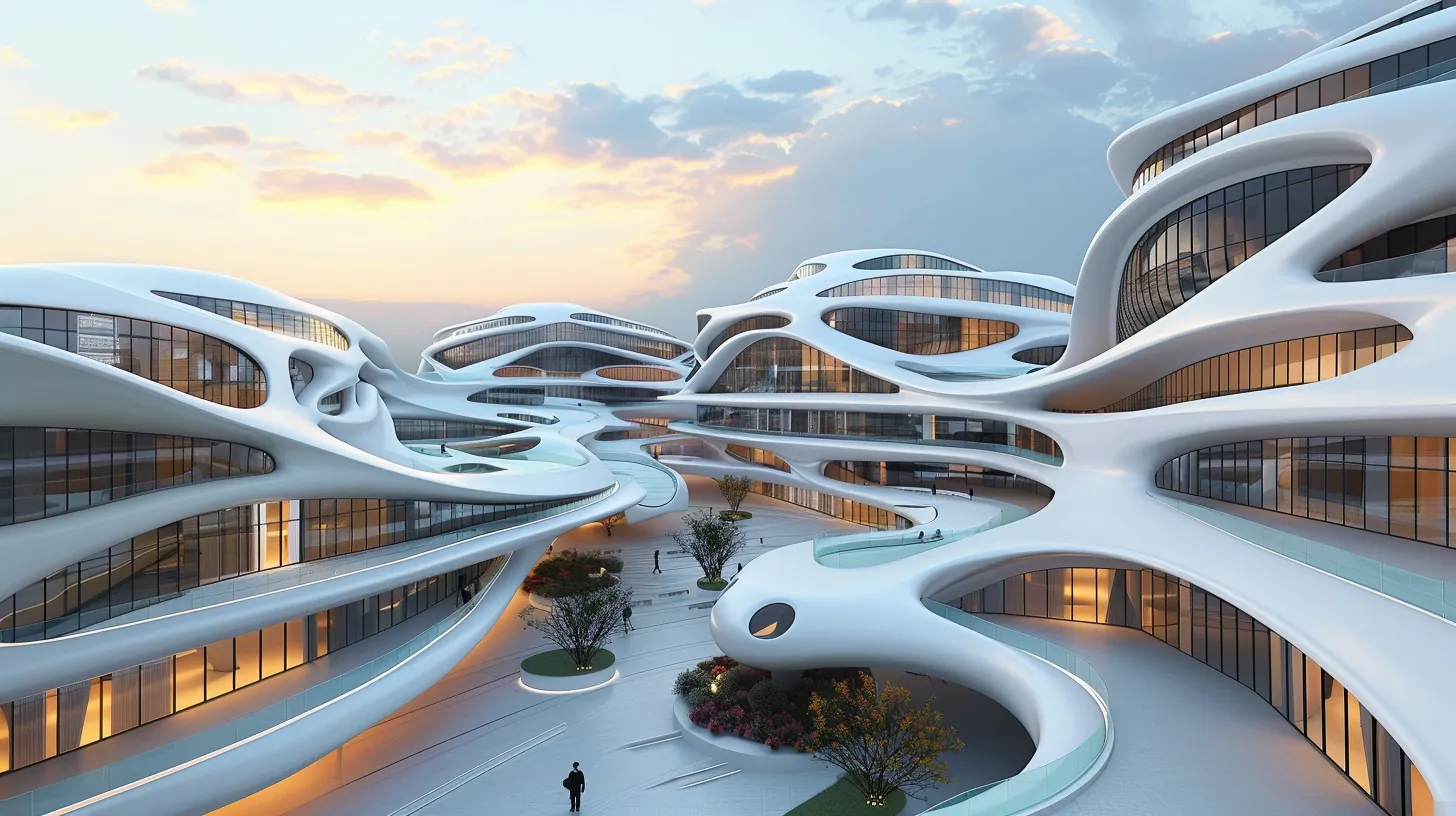
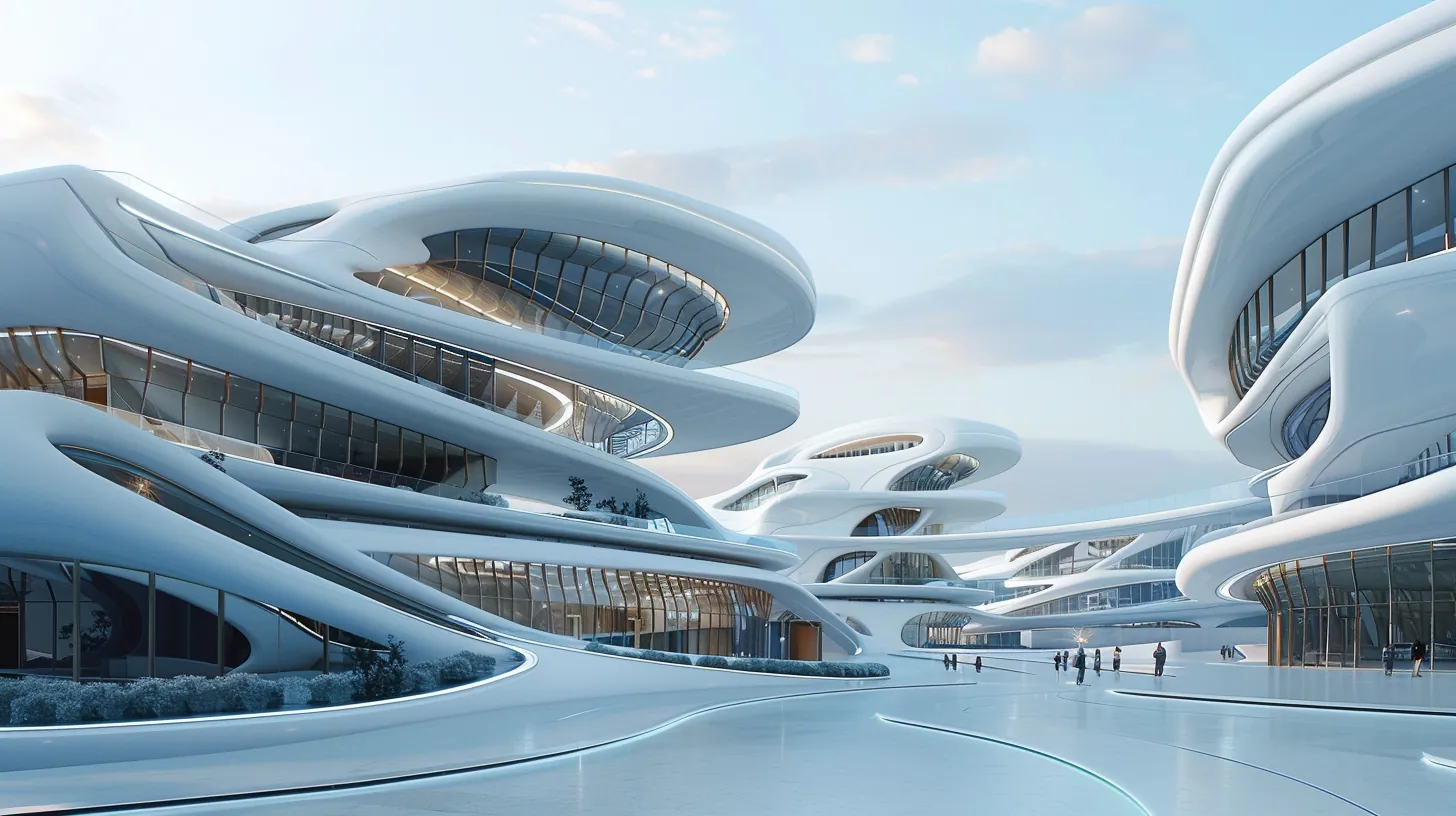
Create a futurist parametric architecture district with organic flowing forms. Environment: - **Foreground**: Fluid landscaping with curved pathways, organic sculptural elements - **Midground**: Parametric buildings with flowing curves, complex surface geometries - **Background**: Interconnected structures with sweeping lines, dynamic skyline - **Streets**: Curved circulation paths, multi-level pedestrian zones, flowing urban planning Architecture: - **Building Style**: Parametric design with complex curved surfaces, organic biomimetic forms - **Details**: Flowing lines, smooth transitions, computational geometry, dynamic facades - **Materials**: White composite panels, glass with curved mullions, polished metallic accents - **Features**: Cantilevers and overhangs with impossible-looking support, continuous surfaces, sculptural forms Atmosphere: - **Lighting**: Bright daylight emphasizing white sculptural forms, soft shadows on curves - **Weather**: Clear sky showcasing architectural forms against blue background - **Effects**: Smooth gradient shadows on curved surfaces, reflections on polished materials - **Color Palette**: Predominantly white with subtle greys, blue sky contrast, metallic accents Technical: - **Style**: Contemporary architectural photography, Zaha Hadid aesthetic - **Camera**: Dynamic angle capturing flowing forms, wide perspective showing complexity - **Focus**: Sharp detail showing parametric surface quality and smooth curves --ar 16:9 --v 6 --q 2 --style raw --s 200
Key Characteristics:
- Flowing curved forms rejecting right angles and orthogonal grids
- Parametric computational design with complex surface geometries
- Organic biomimetic shapes inspired by natural forms
- Smooth continuous surfaces and fluid transitions
- Dynamic movement and directionality in architectural composition
Industrial Architecture
Industrial style features exposed steel, brick construction, large windows, and utilitarian design celebrating functional honesty.
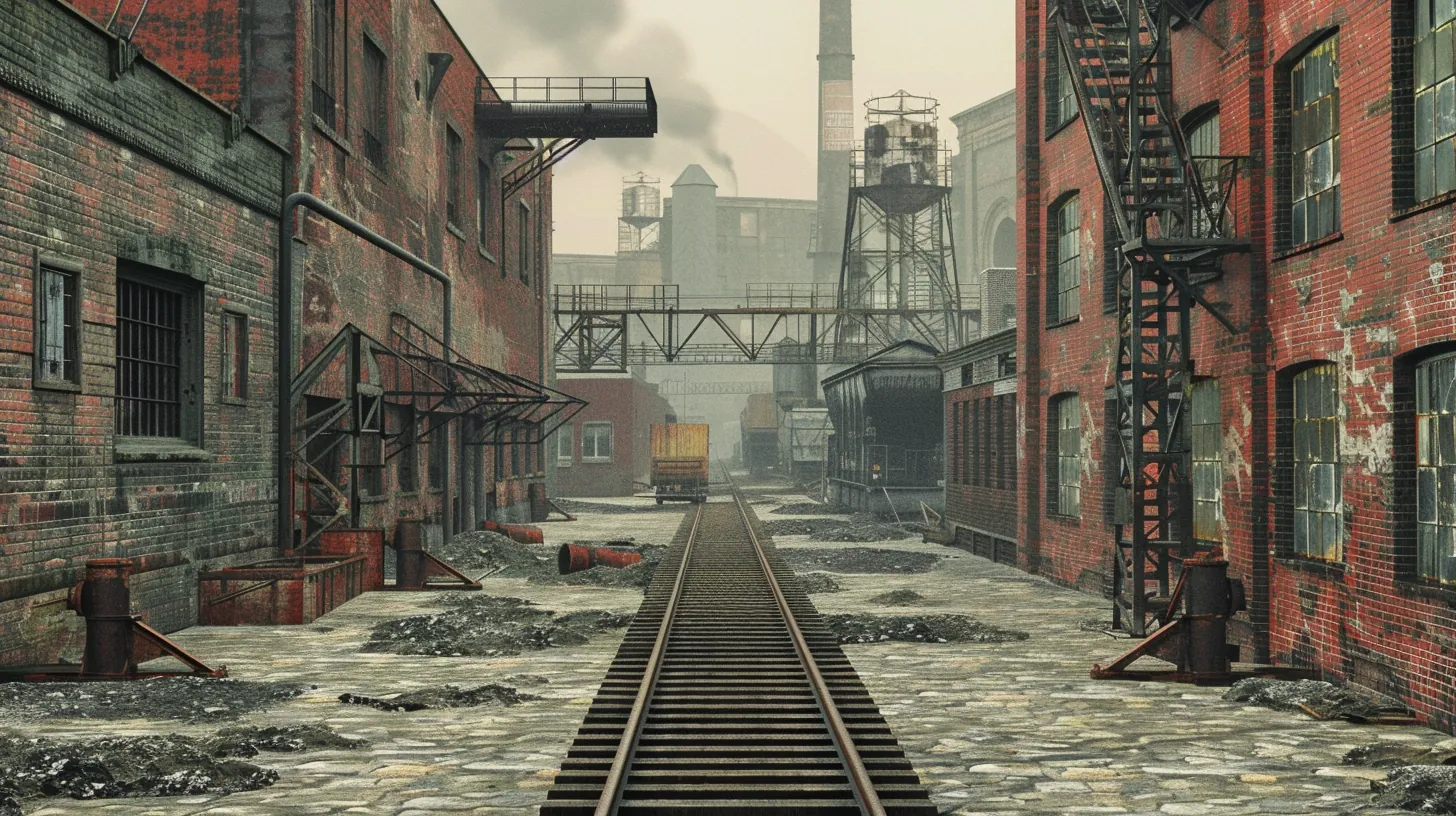
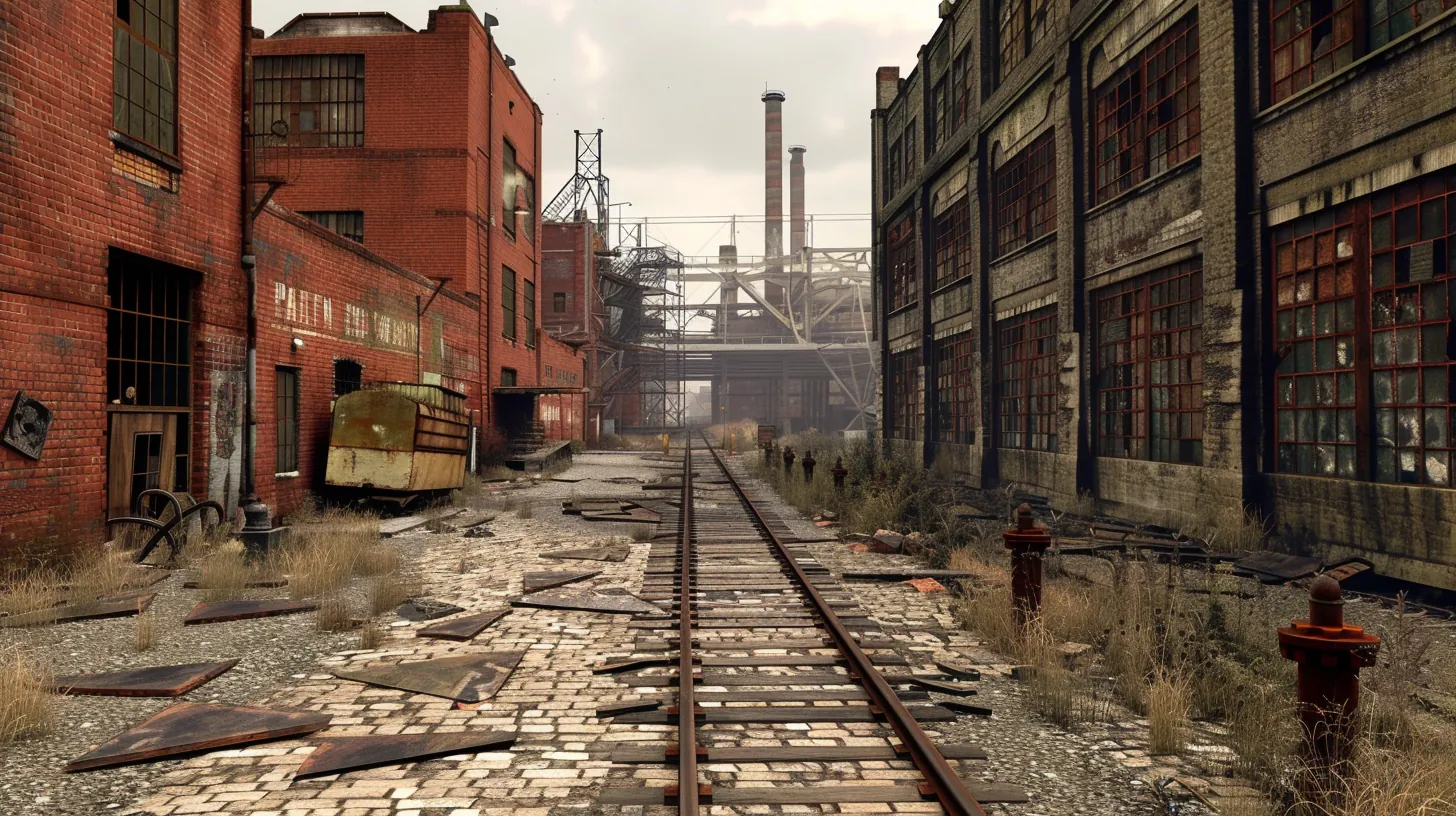
Create an industrial district cityscape with exposed structural elements. Environment: - **Foreground**: Cobblestone street with railway tracks, cast iron bollards, industrial remnants - **Midground**: Red brick warehouses with steel framework, large industrial windows - **Background**: Factory buildings with smokestacks, water towers, industrial skyline - **Streets**: Wide loading zones, railway sidings, industrial infrastructure Architecture: - **Building Style**: Red brick masonry with exposed steel framework, utilitarian design - **Details**: Cast iron columns, riveted steel beams, large grid windows, fire escapes - **Materials**: Red brick with visible mortar, weathered steel, cast iron, industrial glass - **Features**: Exposed structural systems, loading docks, industrial signage, water towers Atmosphere: - **Lighting**: Overcast light emphasizing texture and weathering, soft industrial atmosphere - **Weather**: Slight haze or mist adding industrial character - **Effects**: Weathered patina on materials, rust textures, urban grit - **Color Palette**: Red brick tones, oxidized steel browns, grey overcast sky, weathered industrial colors Technical: - **Style**: Urban documentary photography, industrial heritage aesthetic - **Camera**: Street level perspective showing architectural detail, 35mm natural viewpoint - **Focus**: Sharp detail on brick texture, steel rivets, weathered materials --ar 16:9 --v 6 --q 2 --style raw --s 150
Key Characteristics:
- Exposed structural steel framework and riveted connections
- Red brick masonry construction with functional design
- Large grid windows for factory lighting
- Utilitarian aesthetic celebrating industrial function
- Weathered materials showing age and industrial history
Urban Composition Techniques
Effective cityscape composition directs viewer attention and creates visual hierarchy through strategic perspective, framing, and element placement.
Street-Level Framing with Leading Lines
Street-level perspective uses converging lines from roads, buildings, and infrastructure to create depth and guide the viewer's eye.
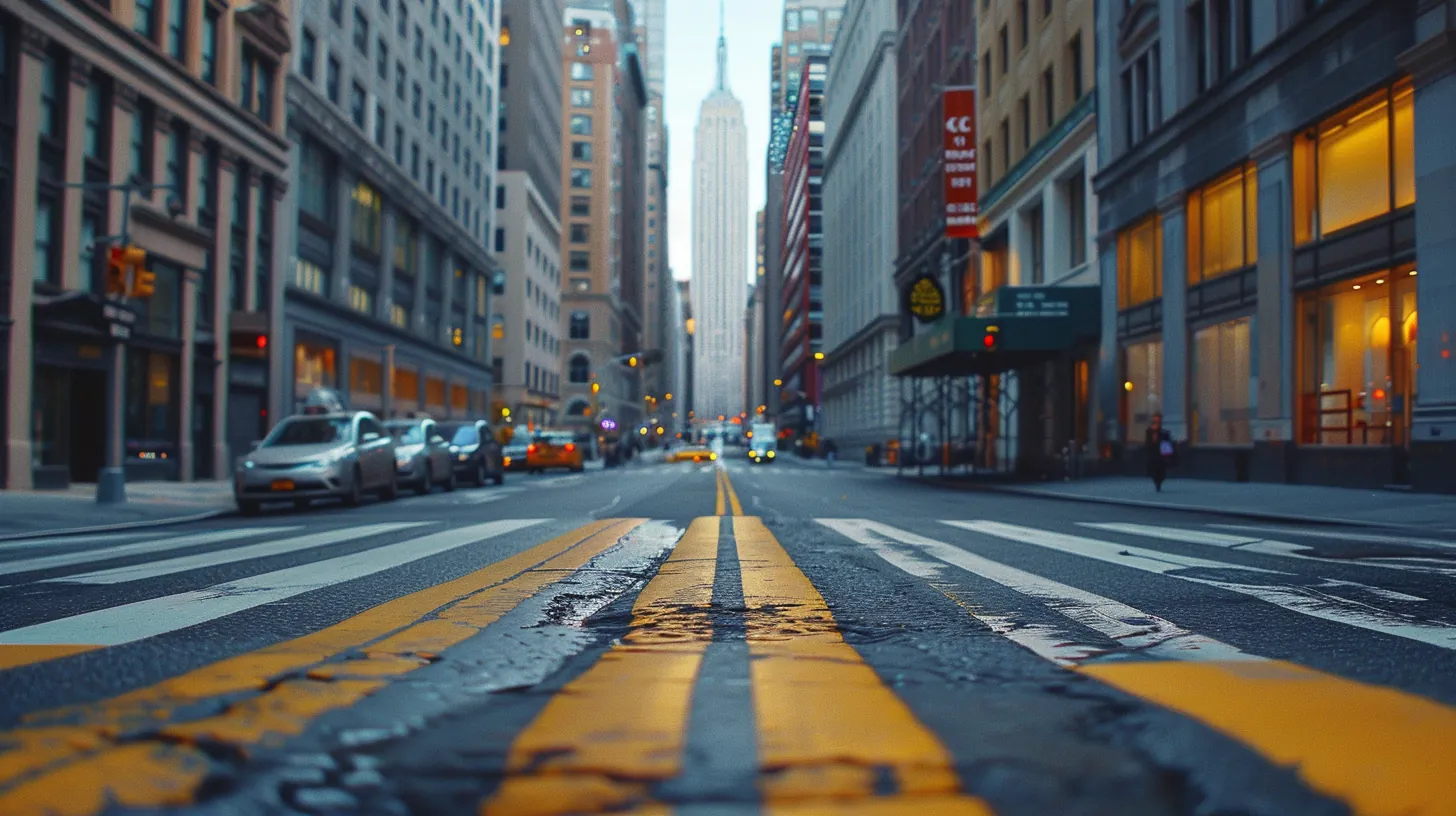
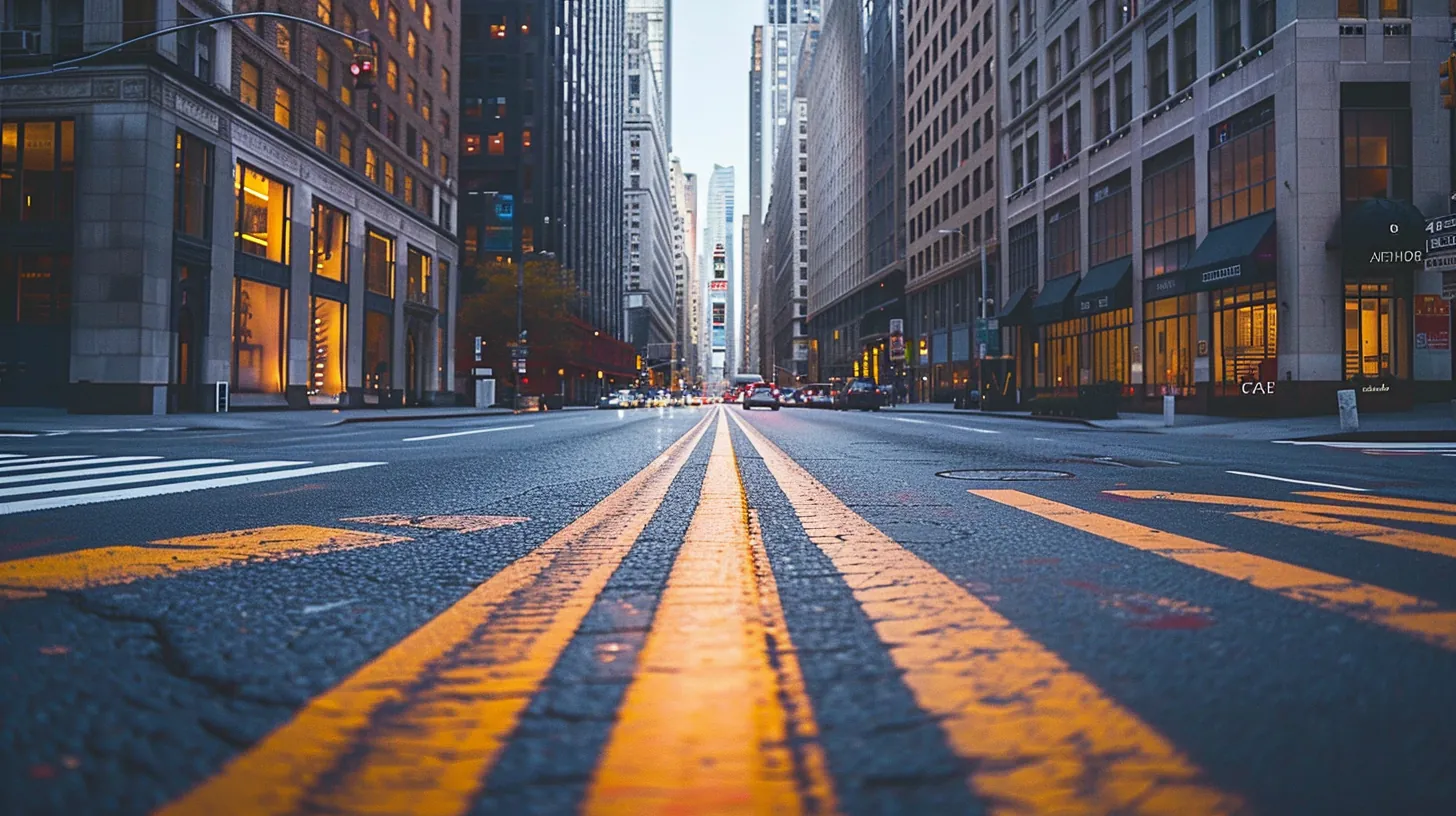
Create a street-level cityscape using one-point perspective and leading lines. Composition: - **Vanishing Point**: Central focal point where street and building lines converge - **Leading Lines**: Sidewalk edges, building facades, street lane markings, overhead wires - **Foreground**: Street texture close to camera, sidewalk detail, urban elements - **Depth**: Progressive reduction in detail from near to far, atmospheric perspective Environment: - **Street**: Wide urban avenue with clear lane markings, traffic flow toward vanishing point - **Buildings**: Symmetrical building facades flanking both sides creating canyon effect - **Background**: Focal building or feature at vanishing point drawing eye - **Elements**: Street lights, signage, vehicles positioned along leading lines Technical Execution: - **Perspective**: One-point perspective with camera at street level (5-6ft height) - **Lens**: 24mm wide-angle emphasizing perspective convergence and depth - **Alignment**: Camera centered on street with buildings symmetrically framing - **Lighting**: Directional light emphasizing depth and architectural detail Atmosphere: - **Time**: Golden hour or blue hour for dramatic directional light - **Weather**: Clear with atmospheric haze increasing toward vanishing point - **Effects**: Light rays along street corridor, shadows emphasizing geometry - **Color Palette**: Warm street lighting, cool atmospheric distance, balanced contrast --ar 16:9 --v 6 --q 2 --style raw --s 150
Key Techniques:
- Center camera on street axis for symmetrical one-point perspective
- Use street edges, building lines, and overhead elements as converging guides
- Place focal interest (building, monument, natural feature) at vanishing point
- Include foreground detail (manhole covers, crosswalk) for scale and depth
- Progressive atmospheric fade toward distance enhances depth perception
Aerial/Rooftop Perspective with Grid Patterns
Elevated viewpoints reveal urban grid patterns, architectural density, and city planning creating abstract geometric compositions.
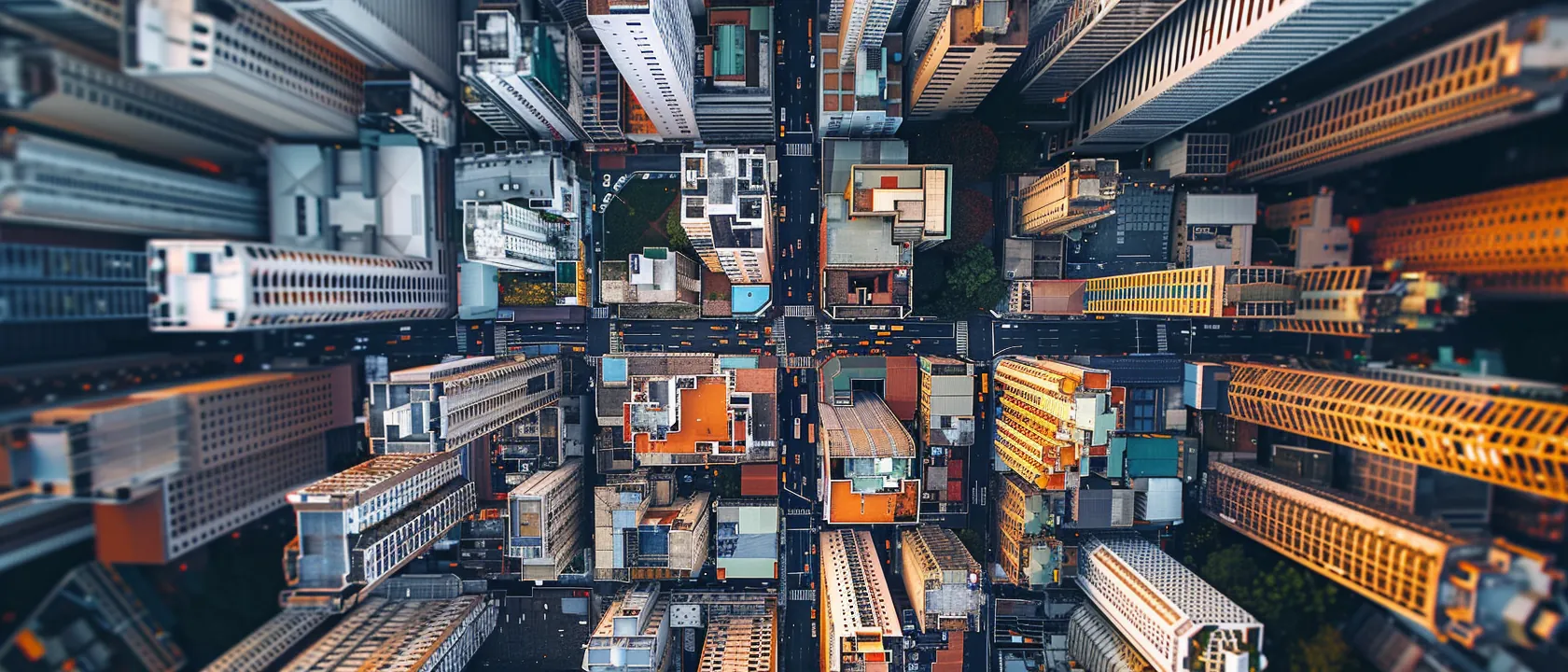
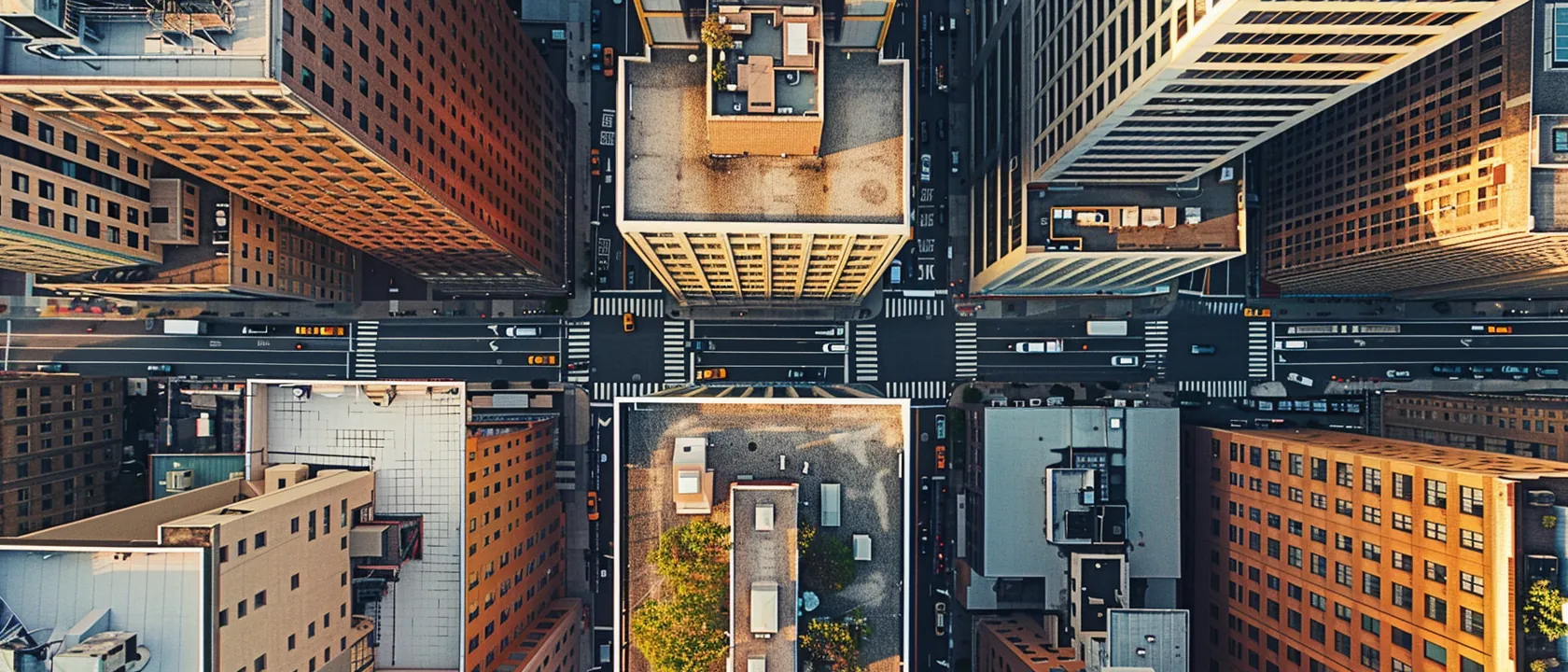
Create an aerial cityscape emphasizing urban grid patterns and geometric composition. Composition: - **Viewpoint**: Elevated rooftop or drone perspective (300-500ft altitude) - **Grid Pattern**: Orthogonal street grid visible as linear elements organizing composition - **Geometric Elements**: Building rooftops creating abstract shapes, varied heights adding depth - **Rhythm**: Repetition of building modules creating visual patterns Environment: - **Foreground**: Rooftop details, HVAC units, rooftop gardens, architectural texture - **Midground**: Dense urban fabric with varied building heights, street grid visible between structures - **Background**: City extending to horizon with atmospheric perspective - **Infrastructure**: Streets, alleys, rooftop infrastructure creating linear patterns Architectural Elements: - **Rooftops**: Varied textures and materials, geometric shapes, infrastructure - **Building Heights**: Stepped elevation creating depth through overlapping forms - **Street Grid**: Linear organization visible as negative space between buildings - **Patterns**: Repetitive window grids, building modules, urban rhythm Atmosphere: - **Lighting**: Overhead sun creating sharp shadows emphasizing geometric forms - **Weather**: Clear visibility showcasing urban pattern clarity - **Effects**: Shadow patterns revealing building heights, crisp architectural geometry - **Color Palette**: Urban material colors, grey concrete and asphalt, varied rooftop tones Technical: - **Style**: Abstract urban photography, architectural pattern documentation - **Camera**: Bird's eye view (300-500ft), wide-angle capturing urban expanse - **Focus**: Even sharpness across frame showing pattern detail --ar 21:9 --v 6 --q 2 --style raw --s 150
Key Techniques:
- Elevated perspective (300-500ft) reveals urban planning and grid organization
- Look for geometric patterns: building rooftops, street grids, infrastructure
- Varied building heights create depth through overlapping and shadow
- Sharp overhead lighting emphasizes architectural geometry and shadow patterns
- Abstract composition focusing on patterns rather than individual buildings
Rule of Thirds Skyscraper Placement
Strategic placement of dominant architectural elements at rule-of-thirds intersections creates balanced, professional compositions.
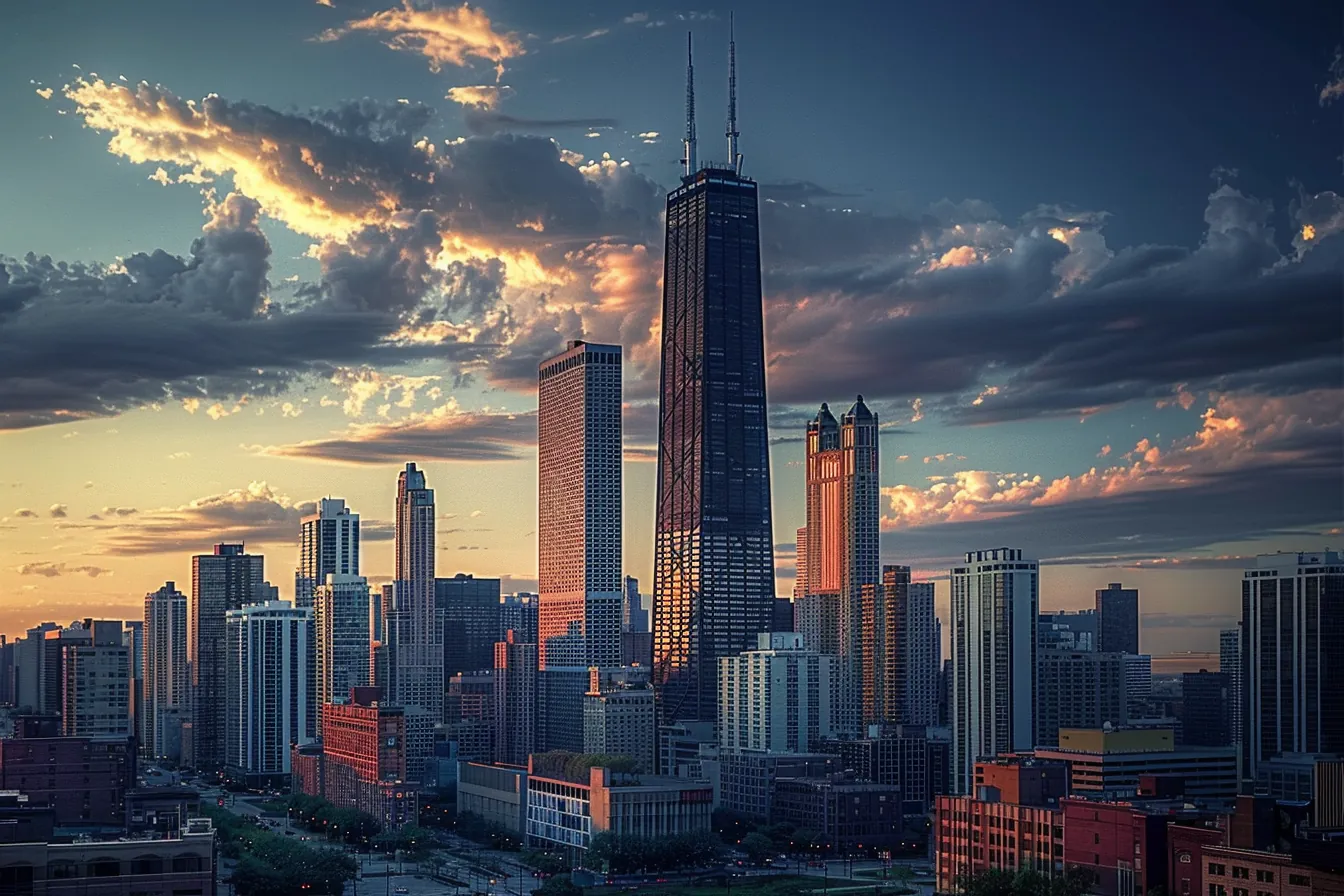
Create a cityscape using rule of thirds composition with architectural focal point. Composition: - **Focal Point**: Dominant skyscraper or architectural element at right or left third intersection - **Horizon Line**: Positioned at lower third (2:1 sky-to-land ratio) or upper third (2:1 land-to-sky ratio) - **Balance**: Supporting elements on opposite side balancing composition - **Negative Space**: Sky or open areas providing breathing room Environment: - **Primary Subject**: Iconic tower, distinctive building, or architectural landmark at third intersection - **Supporting Elements**: Surrounding buildings, urban context, complementary architecture - **Foreground**: Urban elements (park, plaza, waterfront) at lower third - **Background**: Sky with atmospheric elements at upper portion Placement Strategy: - **Vertical Division**: Place dominant building along left or right third line - **Horizontal Division**: Horizon, roofline, or major architectural break at third line - **Intersection Points**: Key architectural features (building top, distinctive element) at intersections - **Visual Weight**: Distribute elements to balance across grid Atmosphere: - **Lighting**: Directional light emphasizing focal building, creating visual hierarchy - **Weather**: Sky with clouds or color adding interest to upper third - **Effects**: Light emphasizing rule-of-thirds placement, atmospheric depth - **Color Palette**: Focal point receives strongest color or contrast Technical: - **Style**: Professional architectural photography, magazine-quality composition - **Camera**: Position to place focal elements precisely on third lines and intersections - **Focus**: Primary subject sharp, supporting elements with appropriate depth --ar 3:2 --v 6 --q 2 --style raw --s 150
Key Techniques:
- Divide frame into 3×3 grid mentally; place key elements on lines and intersections
- Position dominant skyscraper or landmark along vertical third line
- Set horizon at lower third (emphasize sky) or upper third (emphasize city)
- Place architectural peak or distinctive feature at intersection point for maximum impact
- Balance composition with supporting elements on opposite third
Natural Framing Through Urban Elements
Using archways, alleys, building gaps, and urban structures as foreground frames creates depth and directs focus to background subjects.
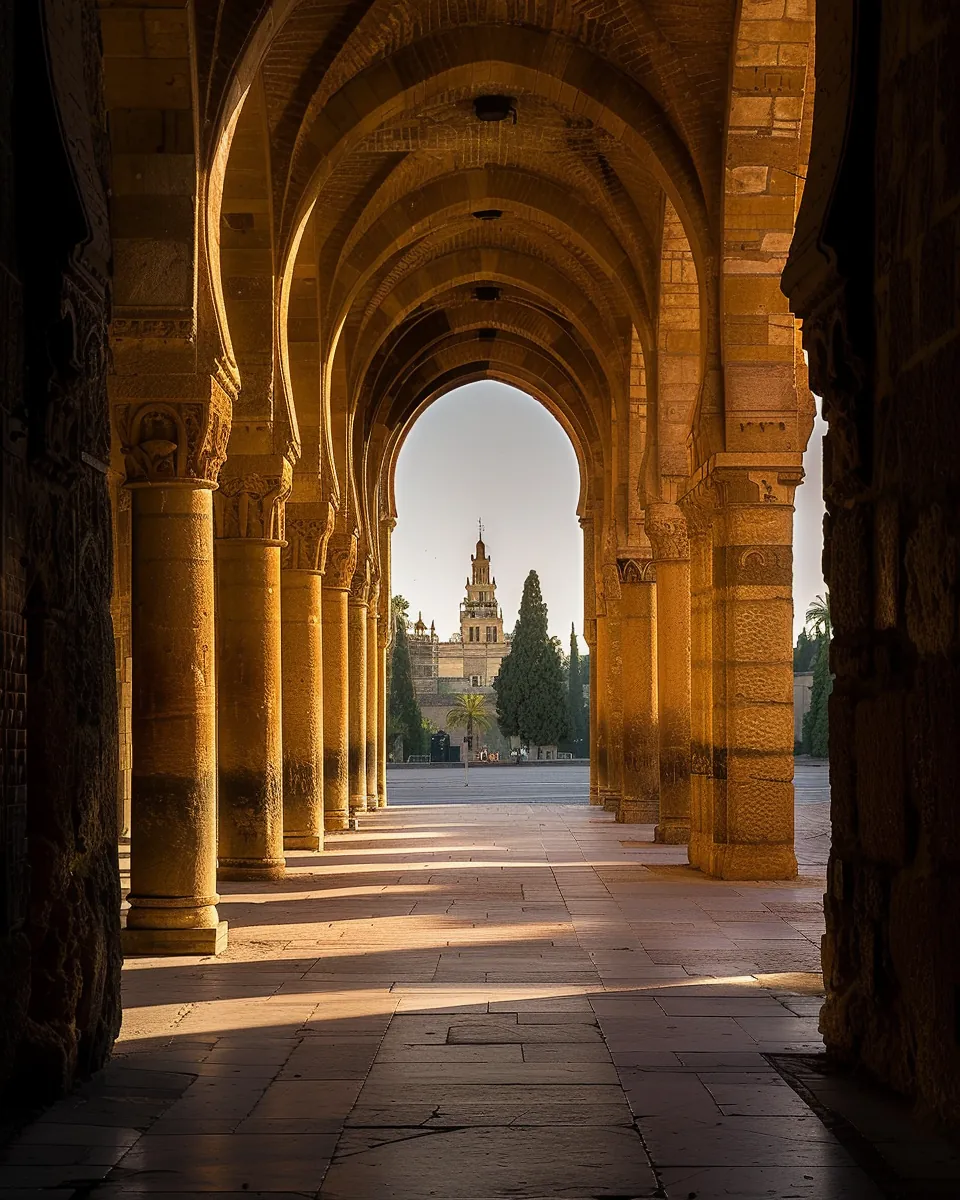
Create a cityscape using natural framing through architectural elements. Composition: - **Frame Element**: Archway, alley walls, building gap, or structure creating foreground frame - **Framed Subject**: City view, landmark, or architectural scene visible through frame - **Depth Layers**: Dark foreground frame, transitional middle, illuminated background - **Vignette Effect**: Frame edges darker, drawing eye to illuminated center Environment: - **Foreground Frame**: Stone archway, brick alley walls, building columns, structural elements - **Transition Zone**: Passage, tunnel, or gap between buildings - **Background View**: Cityscape, plaza, landmark, or architectural scene beyond frame - **Context**: Urban setting where natural frames emerge from architecture Framing Techniques: - **Silhouette Frame**: Foreground darker than background, creating contrast and focus - **Geometric Frame**: Archway, doorway, window opening with clear geometric shape - **Organic Frame**: Tree branches, irregular building gaps, less formal framing - **Multiple Layers**: Several framing elements creating nested depth Atmosphere: - **Lighting**: Background brighter than foreground, light drawing eye through frame - **Contrast**: Strong light/dark separation between frame and framed subject - **Effects**: Volumetric light passing through frame, atmospheric depth - **Color Palette**: Dark cool tones in frame, warmer or brighter background Technical: - **Style**: Fine art urban photography, environmental storytelling - **Camera**: Position to center subject within frame, expose for background - **Focus**: Background scene sharp, frame can be slightly soft or silhouetted --ar 4:5 --v 6 --q 2 --style raw --s 150
Key Techniques:
- Position camera to use architectural elements (arches, alleys, gaps) as foreground frame
- Expose for background scene, allowing frame to go dark or silhouette
- Center compelling subject within frame opening for maximum impact
- Use geometric frames (arches, doorways) for formal composition
- Frame creates depth by establishing clear foreground/background separation
Scale Indicators for Urban Context
Including human figures, vehicles, and familiar urban elements establishes scale and makes vast cityscapes comprehensible.
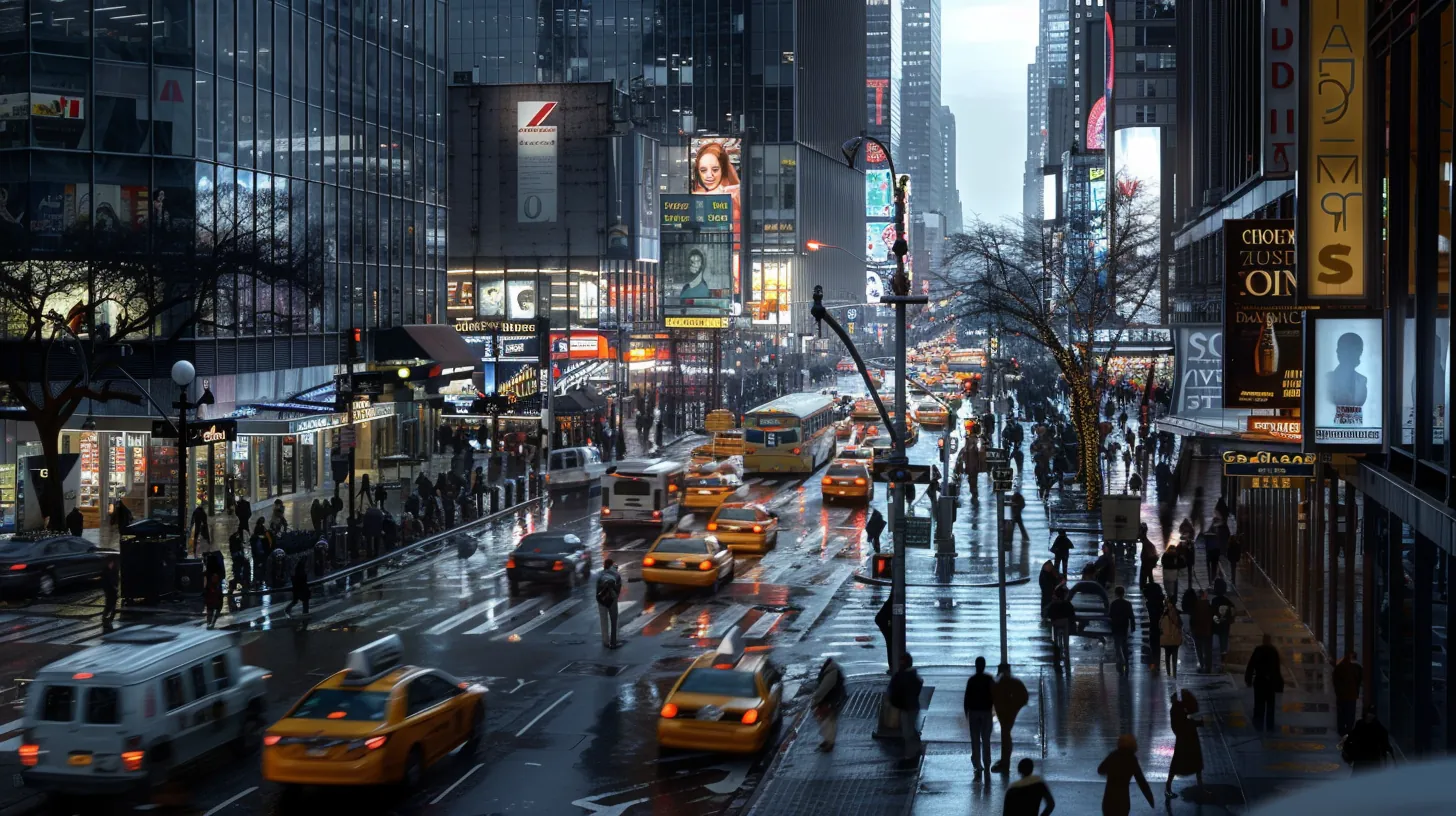
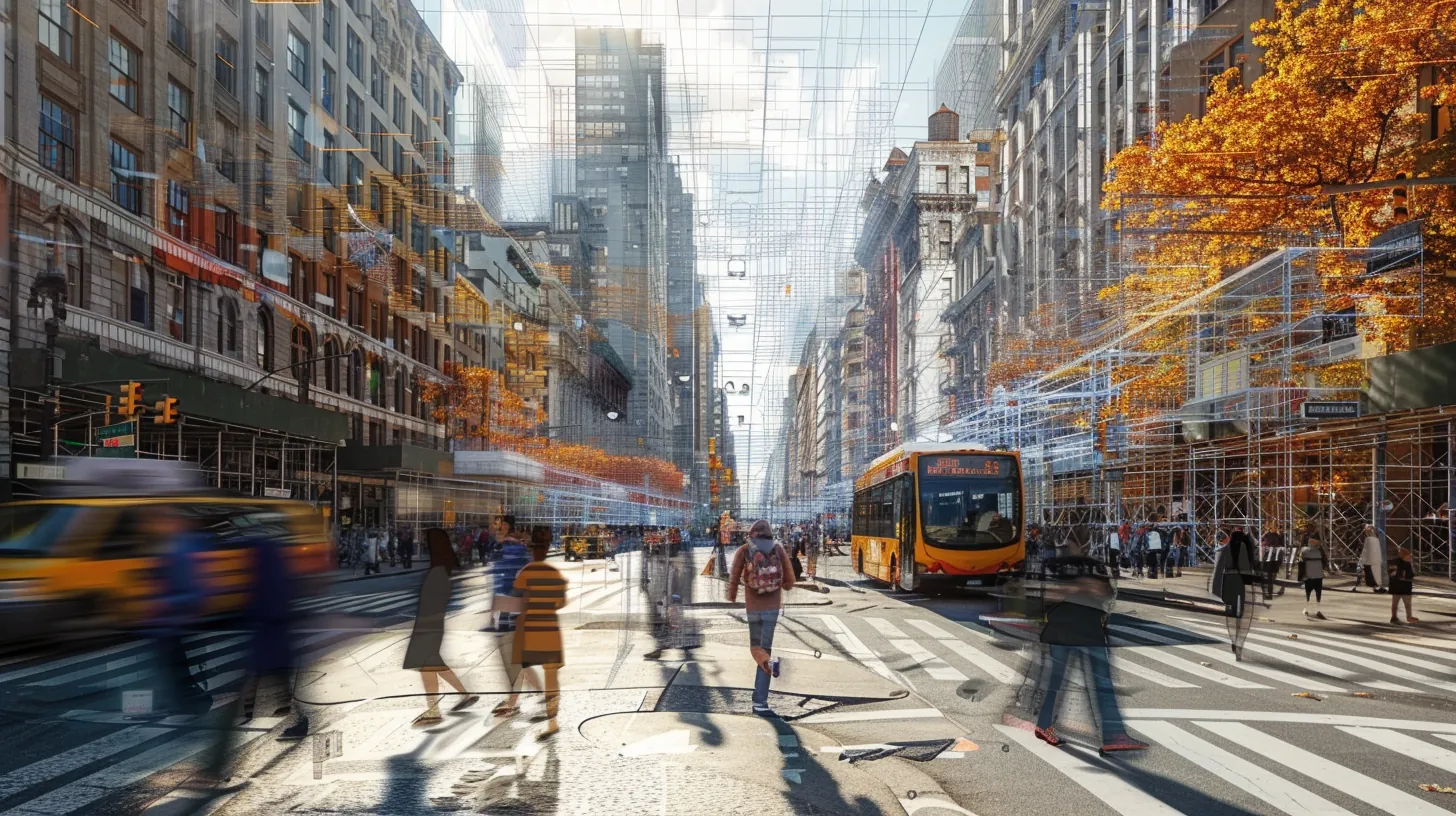
Create a cityscape with strategic scale indicators showing human-to-architecture relationships. Composition: - **Primary Scale Reference**: Human figures in foreground or midground showing size relationships - **Secondary Indicators**: Vehicles, street furniture, signage at recognizable scales - **Size Contrast**: Juxtapose human-scale elements with monumental architecture - **Contextual Placement**: Scale elements positioned to emphasize building height or urban expanse Environment: - **Foreground**: Pedestrians, street-level details, human-scale urban furniture - **Midground**: Vehicles, buses, trees providing intermediate scale reference - **Background**: Massive architecture, skyscrapers, monumental buildings - **Street Elements**: Benches, lamp posts, signage, crosswalks at known dimensions Scale Elements: - **People**: Pedestrians, crowds, individual figures showing human scale - **Vehicles**: Cars, buses, trucks providing familiar size reference - **Street Furniture**: Benches, lamp posts, traffic signals, mailboxes - **Vegetation**: Trees with predictable height establishing vertical scale - **Signage**: Storefronts, billboards, street signs at standard sizes Atmosphere: - **Lighting**: Clear lighting showing detail on scale indicators - **Clarity**: Sharp detail on human figures and vehicles for size comprehension - **Effects**: Atmospheric perspective showing distance while maintaining scale clarity - **Color Palette**: Scale elements have sufficient contrast to read clearly Technical: - **Style**: Architectural photography emphasizing human context - **Camera**: Angle showing both human-scale foreground and monumental background - **Focus**: Sufficient depth of field to keep scale indicators and architecture sharp --ar 16:9 --v 6 --q 2 --style raw --s 150
Key Techniques:
- Include pedestrians in foreground or midground to establish human scale
- Add vehicles (cars, buses) as intermediate scale reference between people and buildings
- Use street furniture (benches, lamp posts) at standard known dimensions
- Position scale elements where size comparison is most dramatic
- Ensure scale indicators are clearly visible with sufficient detail and contrast
Architectural Consistency
Creating believable cityscapes requires attention to architectural consistency.
Style Coherence
- Match architectural periods to city type
- Maintain material consistency
- Follow regional building traditions
- Ensure decorative elements match style
- Consider historical accuracy
Scale and Proportion
- Maintain realistic building heights
- Keep street widths proportional
- Balance open and built spaces
- Consider human scale elements
Common Mistakes
Design Issues
- Inconsistent architectural styles
- Unrealistic urban layouts
- Poor perspective and scale
- Generic or repetitive buildings
- Lack of environmental context
Technical Issues
- Wrong aspect ratio
- Poor lighting setup
- Unclear focal point
- Messy composition
- Over-processed effects
Atmospheric Problems
- Unrealistic weather effects
- Inconsistent lighting
- Poor time of day representation
- Overdone atmospheric effects
Note:
The most common mistake is trying to include too many elements. Focus on a few key elements and execute them well.
Tips for Success
Urban Planning
- Study real city layouts
- Consider scale and proportion
- Plan your composition
- Add meaningful details
- Include human elements
Technical Execution
- Choose appropriate perspective
- Set dramatic lighting
- Add atmospheric effects
- Refine architectural details
- Balance composition
Creative Enhancement
- Add unique architectural features
- Include cultural elements
- Create interesting lighting scenarios
- Incorporate environmental storytelling
- Build narrative through details
Cityscape Creation Process
Planning
Begin with careful planning:
- Define city type and style
- Research reference images
- Plan composition
- Choose time and weather
- Select viewing angle
Prompt Creation
Structure your prompt:
- Structure main elements
- Add specific details
- Include atmospheric elements
- Set technical parameters
- Consider style modifiers
Refinement
Perfect your cityscape:
- Analyze initial results
- Adjust specific elements
- Fine-tune atmosphere
- Enhance details
- Perfect composition
Conclusion
Mastering cityscape creation in Midjourney requires understanding urban design, architectural styles, and technical parameters. Use these templates as a foundation and experiment to develop your unique style.
Related Articles & Guides
 #Midjourney
Mastering Character Portraits in Midjourney: Techniques, Styles, and Prompts
Create stunning character portraits with Midjourney using advanced prompts, lighting techniques, and artistic parameters. Explore photorealistic, artistic, fantasy, and vintage portrait styles.
 #Midjourney
Mastering Technology Creation in Midjourney: Sci-Fi Gadgets, Robots & Futuristic Devices
Create stunning futuristic technology with Midjourney using advanced prompts, material techniques, and sci-fi aesthetics. Explore robots, holographic interfaces, energy systems, and advanced gadgets.
 #Midjourney
Mastering Artifact Creation in Midjourney: Mystical Objects, Relics & Ancient Treasures
Create stunning mystical and historical artifacts with Midjourney using advanced prompts, material techniques, and magical effects. Explore ancient relics, sacred objects, enchanted items, and legendary treasures.