Vintage & Nostalgia: Retro Photography & Memorabilia Guide
Transport subjects to any era and create vintage memorabilia with Nano Banana. Master the art of retro photography and physical artifacts.

Transporting yourself to a different era is about more than just changing clothes. It's about capturing the texture of time—the specific film stock, lighting techniques, and cultural aesthetics that define a decade. Nano Banana excels at simulating these vintage photography styles and even turning them into physical artifacts like worn comic books or trading cards.
start with original image:

Understanding Vintage Transformations
To make a photo look truly vintage or nostalgic, you need to prompt for three layers of detail:
- The Subject: Period-accurate hair, makeup, and clothing.
- The Environment: Furniture, architecture, and background details.
- The Medium: The specific look of the camera/film (e.g., Technicolor, Polaroid) or the physical object (comic book, VHS tape).
1985 MALL PORTRAIT
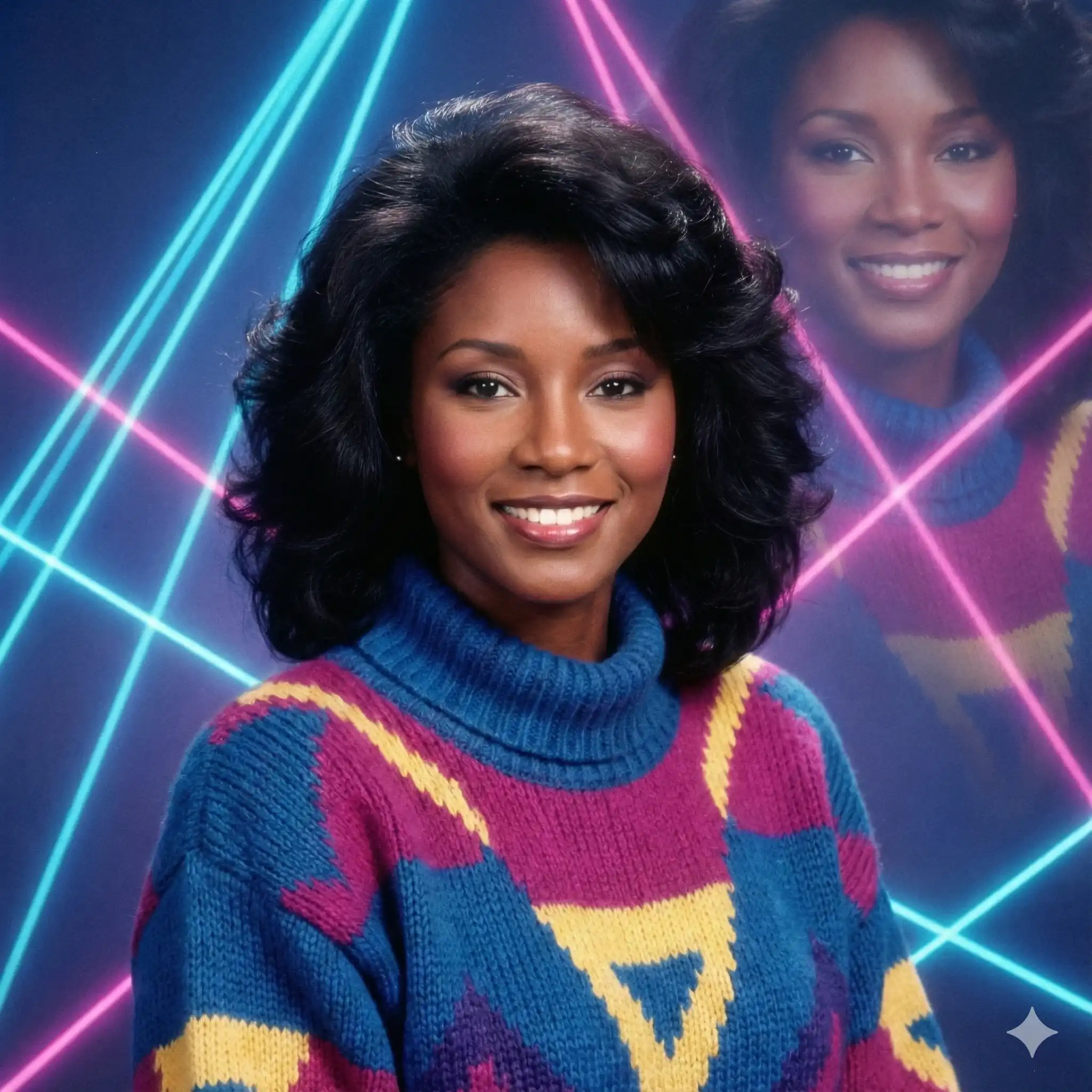
[Subject Image] Transform into a vintage 1980s mall photo studio portrait. Preserve: - Facial features and smile - Eye color - General hair color (but styled differently) Transform: - **Setting**: Olan Mills style photo studio - **Background**: Classic "laser" background with neon blue and magenta beams - **Effect**: Double exposure "ghost image" of the subject's face floating in the top corner - **Fashion**: Chunky knit sweater with geometric patterns, high collar - **Hair**: Feathered, voluminous hair style (Farrah Fawcett style) Technical Details: - **Filter**: Soft focus glamour glow - **Lighting**: Flat, bright studio flash - **Vibe**: Cheesy but authentic 1980s yearbook aesthetic - **Texture**: Slight film grain and color shift (magenta tint)
Why This Works
- "Laser" Background: A specific cultural touchstone that immediately places the image in the 80s.
- "Ghost Image" Effect: A classic trope of 80s portraiture that elevates the image to a specific reference.
- Soft Focus: Replicates the heavy diffusion filters used in glamour shots of the era.
The Trading Card
Turn the image into a physical artifact.
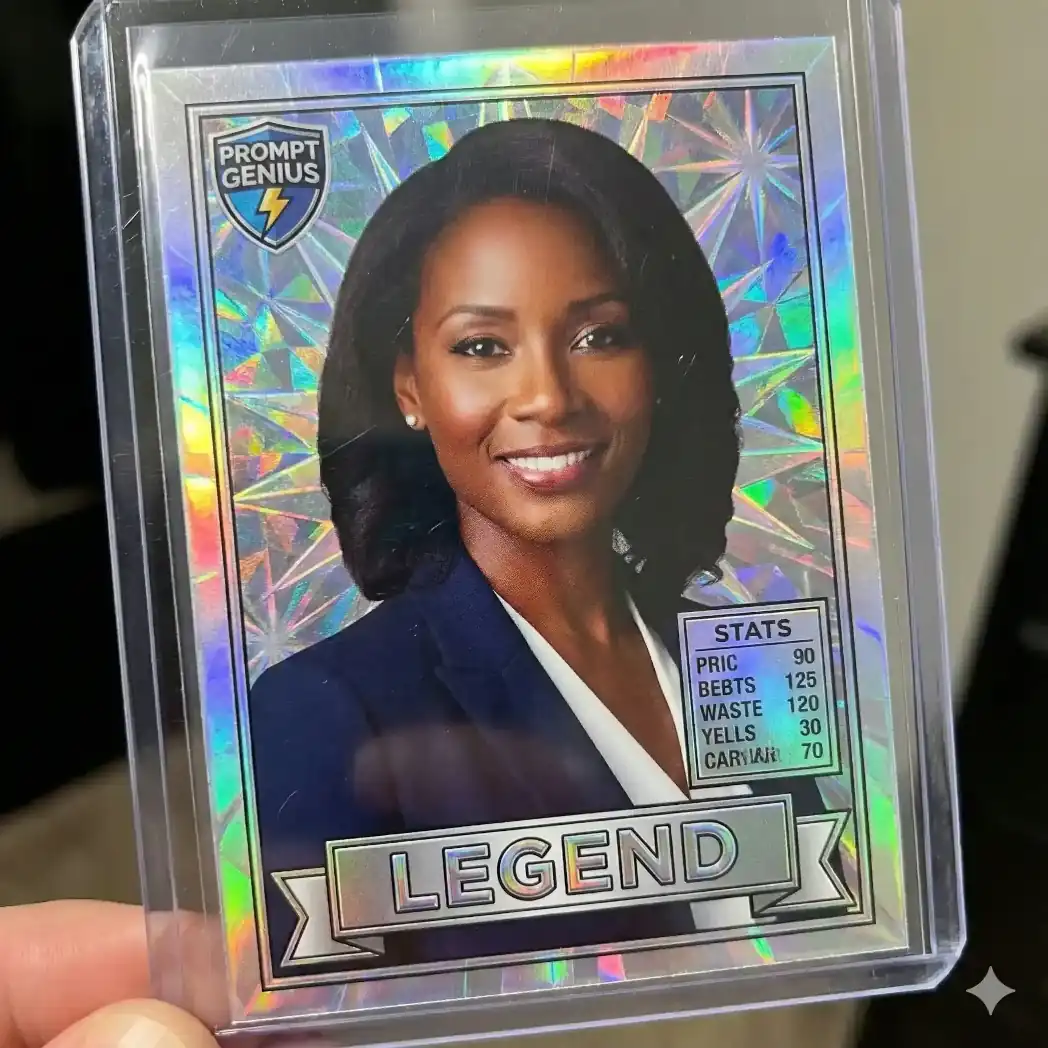
[Subject Image] Transform into a 1990s holographic trading card. - **Format**: Sports/Hero trading card design (Upper Deck / Marvel Masterpieces style) - **Effects**: Prismatic/holographic foil background texture - **Graphics**: "LEGEND" banner in chrome font, stat box on side - **Team Logo**: "PROMPT GENIUS" shield logo in corner - **Vibe**: Mint condition collectible card inside a plastic sleeve - **Details**: Metallic silver or gold border, glossy cardstock
Key Detail: "Upper Deck / Marvel Masterpieces style" instantly evokes a specific era (1990s) and production quality. The "prismatic/holographic foil" and "metallic silver or gold border" signal premium collectible manufacturing, while "mint condition collectible card inside a plastic sleeve" frames this as a valuable physical object—not just a flat image.
The 1990s Yearbook
Move forward a decade to the era of grunge and school photos.
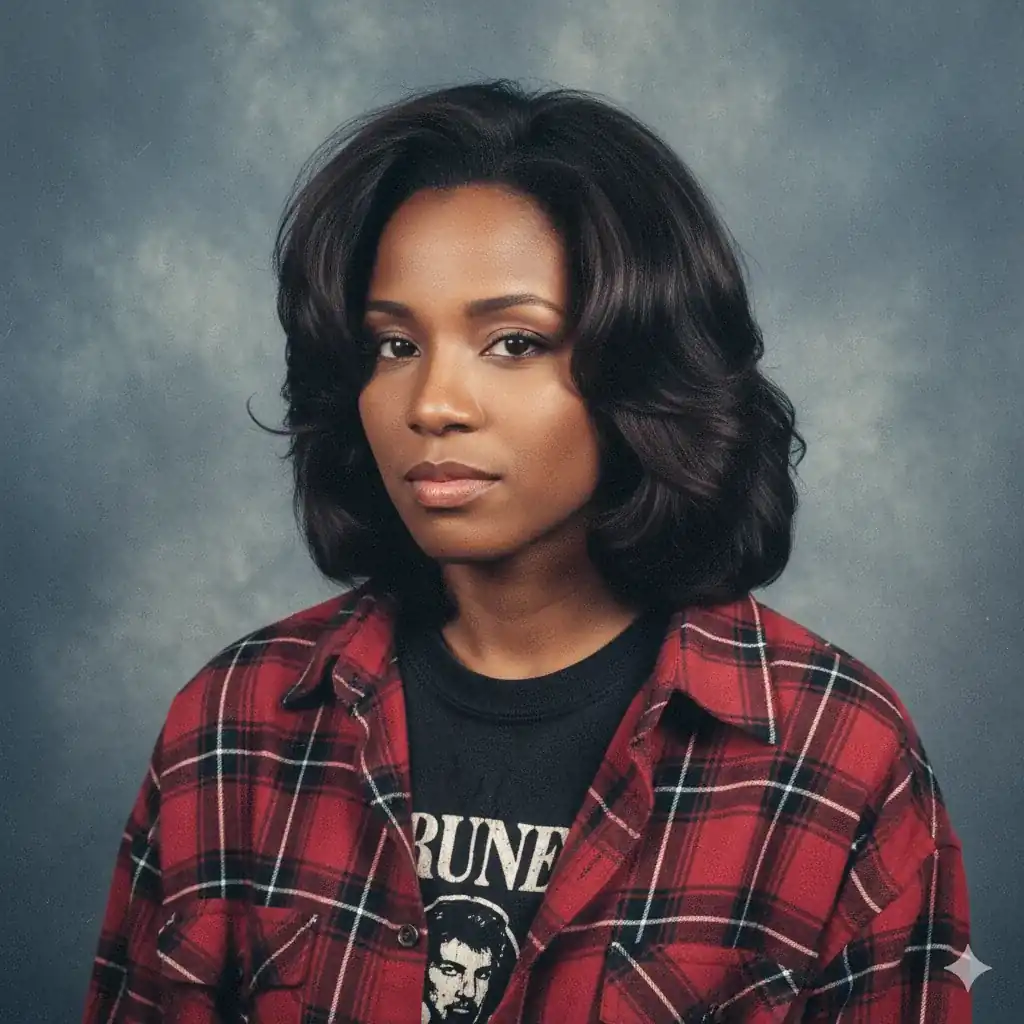
[Subject Image] Transform into a 1990s high school yearbook photo. - **Background**: Mottled blue/grey canvas backdrop - **Fashion**: Oversized flannel shirt over a band t-shirt - **Hair**: "The Rachel" cut or curtains style - **Lighting**: Harsh school photography flash - **Texture**: Standard 35mm film grain - **Vibe**: Apathetic teen, grunge era
Key Detail: "The Rachel" cut and "curtains style" are immediately recognizable 90s hair references. The "mottled blue/grey canvas backdrop" captures the generic school photo aesthetic, while "harsh school photography flash" and "standard 35mm film grain" ground it in practical school photography limitations—these details make it authentically 1990s.
The 1970s Polaroid
Go back to the era of instant film and warm tones.
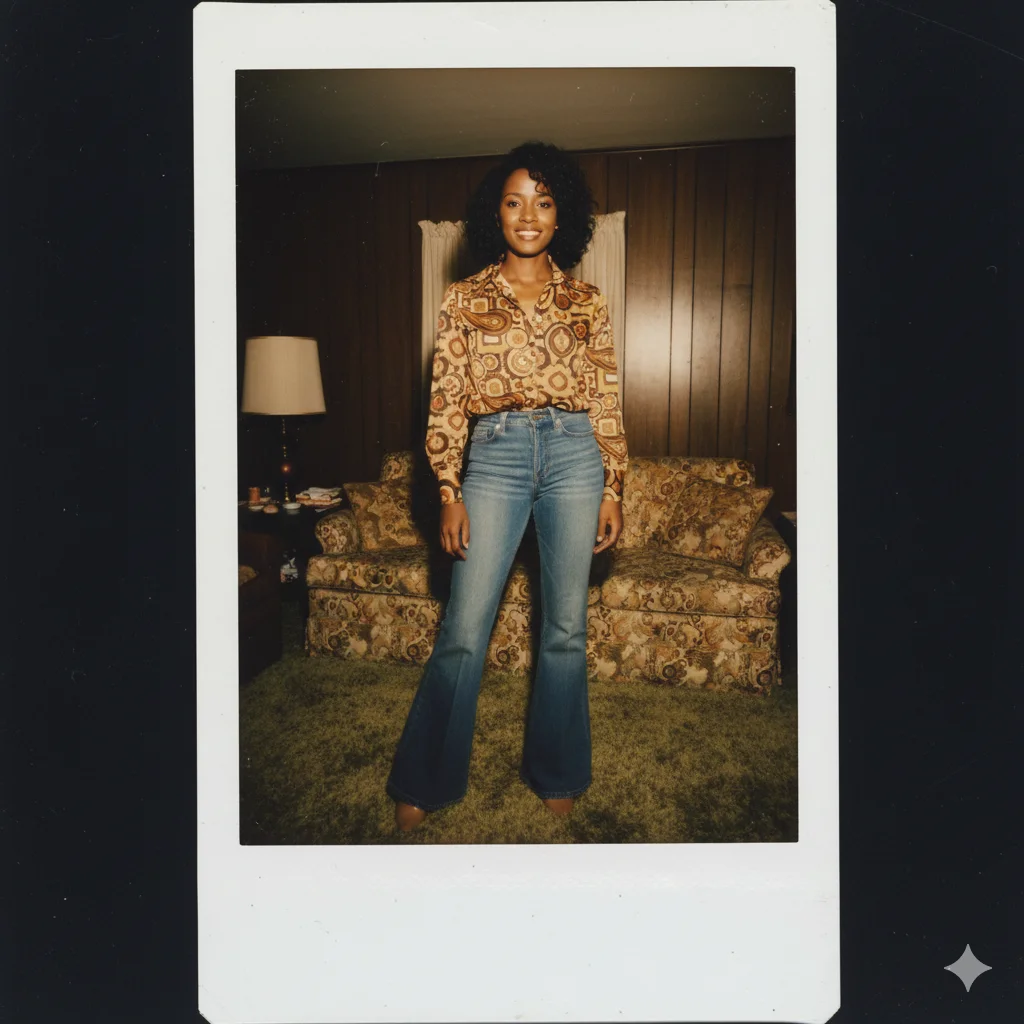
[Subject Image] Transform into a faded 1970s Polaroid snapshot. - **Medium**: Polaroid SX-70 instant film - **Color**: Warm yellow/orange color cast, faded blacks - **Fashion**: Bell-bottoms and patterned polyester shirt - **Setting**: Wood-paneled basement or shag carpet living room - **Lighting**: On-camera flash with red-eye effect - **Border**: Classic white Polaroid frame
Key Detail: "Polaroid SX-70" instantly signals the 1970s and the specific warm, faded aesthetic of instant film. The "warm yellow/orange color cast" and "faded blacks" replicate the natural color shift of aged Polaroid film, while "on-camera flash with red-eye effect" and the "classic white Polaroid frame" are unmistakable visual markers of that era. Mentioning the specific setting (wood-paneled basement or shag carpet) anchors it firmly in 1970s American interiors.
The Vintage Comic Book
Travel back to the Silver Age of comics.
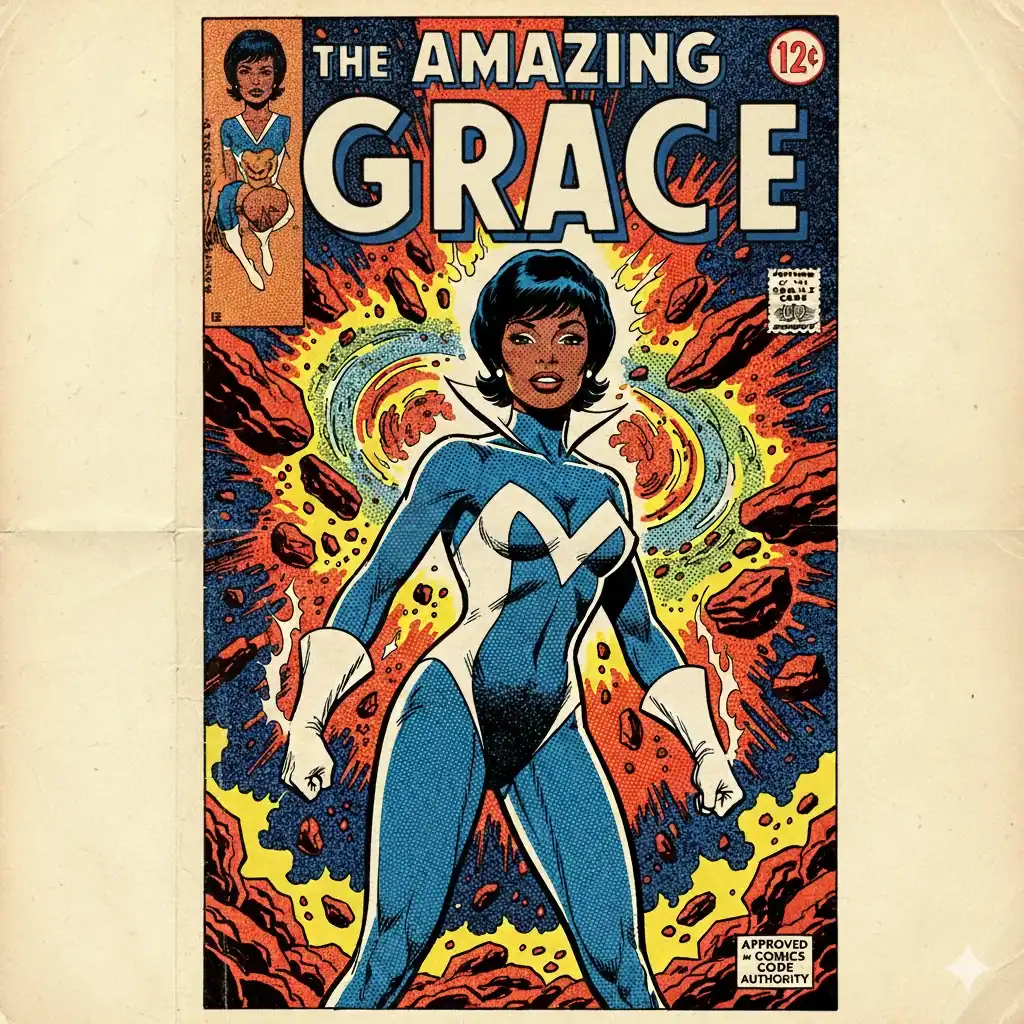
[Subject Image] Transform into a vintage 1960s comic book cover. - **Style**: Jack Kirby / Silver Age comic style - **Technique**: Halftone dot printing (Ben-Day dots), bold ink lines - **Paper**: Yellowed, cheap newsprint texture - **Title**: "THE AMAZING [NAME]" in bold 3D block letters at top - **Details**: "12¢" price box, Comics Code Authority seal - **Condition**: Worn spine, slight creases
Key Detail: "Jack Kirby / Silver Age comic style" and "Ben-Day dots" are the visual signatures of 1960s comics. The halftone dots aren't just a printing technique—they're a visual language that immediately places the image in the pre-digital era. "Yellowed, cheap newsprint texture" captures the literal material degradation of comic books stored and read repeatedly. The "12¢" price box and "Comics Code Authority seal" are specific regulatory markers that date the image, while "bold 3D block letters" for the title replicate the hand-lettering and printing techniques of the era. "Worn spine, slight creases" ground it as a physical, handled object—not a pristine collectible but a read comic.
The Retro Travel Poster
Create a piece of Art Deco wall art.
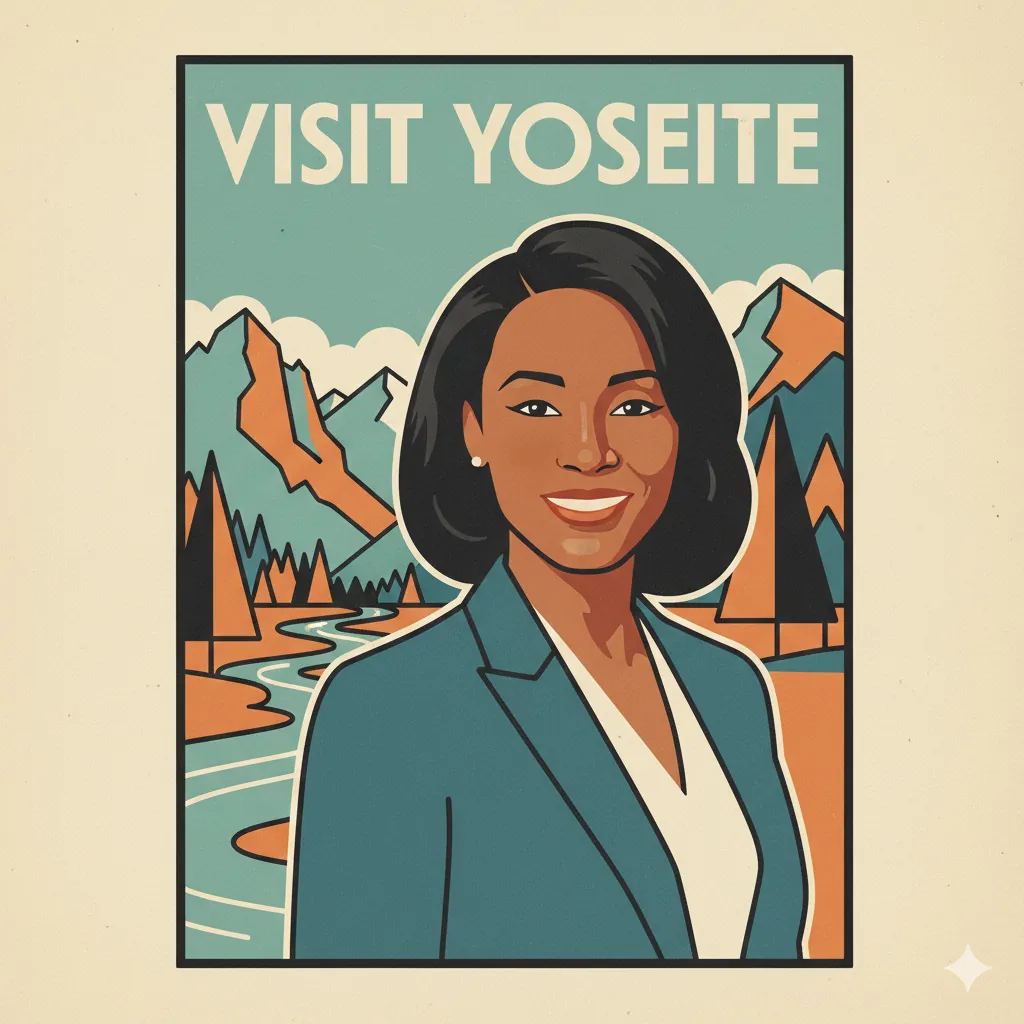
[Subject Image] Transform into a vintage 1930s travel poster. - **Style**: Art Deco / WPA National Park poster style - **Technique**: Lithographic printing, flat colors, simplified geometry - **Typography**: "VISIT [LOCATION]" in tall, geometric sans-serif font - **Palette**: Muted pastels (teal, orange, cream) - **Texture**: Matte heavy paper stock
Key Detail: "WPA National Park poster style" and "Art Deco" immediately evoke the 1930s-40s era and a specific aesthetic—bold, simplified geometry with a sense of optimism and Americana. The "Lithographic printing" and "flat colors" ground it in an actual historical printing technique, while "muted pastels" capture the faded, aged quality of vintage posters. The typography instruction to use "tall, geometric sans-serif font" ensures the text feels authentically Art Deco.
Expanding Your Collection
Explore further back in history or into other obsolete media formats.
The Victorian Daguerreotype
Simulate the very first photographic process.
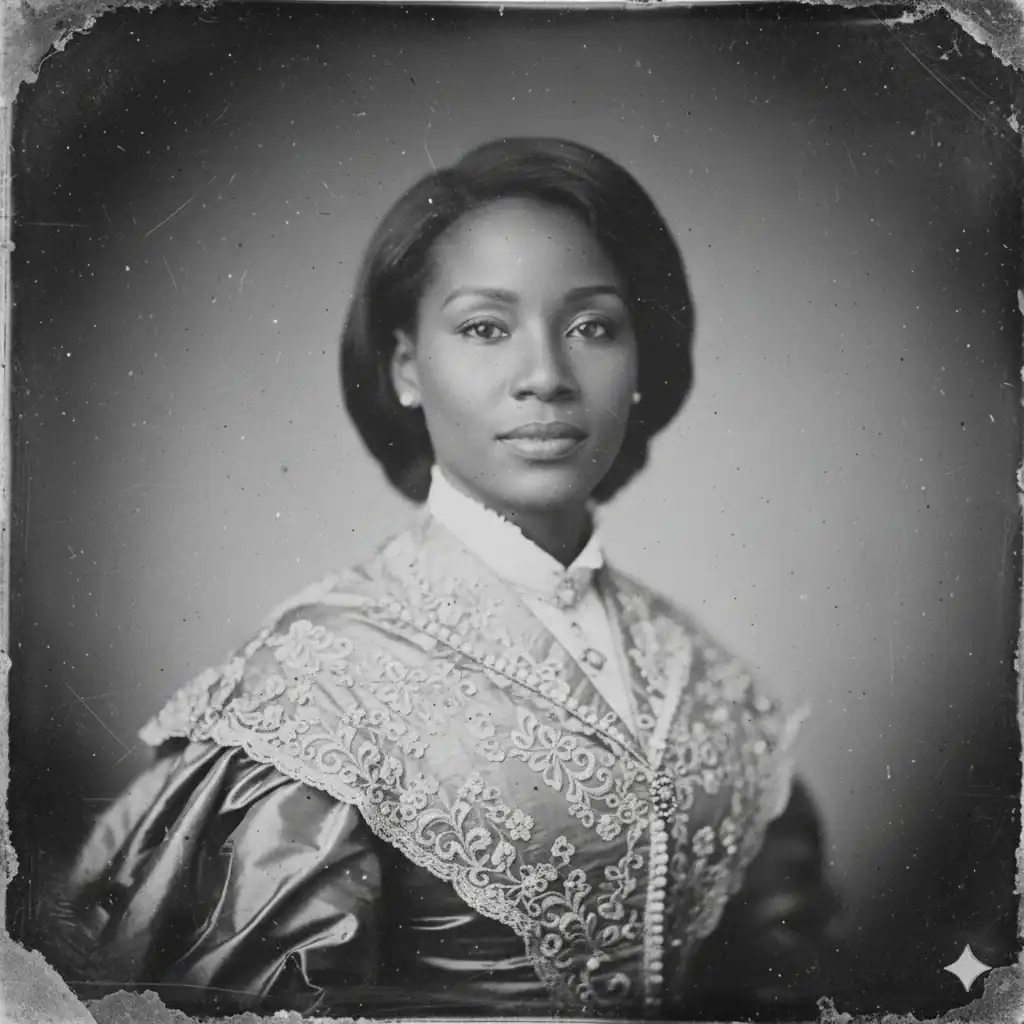
[Subject Image] Transform into an 1850s Daguerreotype portrait. - **Medium**: Silver plate photography (Daguerreotype) - **Tone**: Black and white with metallic silver sheen - **Fashion**: Victorian formal wear (high collar, suit/gown) - **Pose**: Stiff, unsmiling (long exposure style) - **Defects**: Scratches, dust, and oxidation around edges - **Vignette**: Dark corners
Key Detail: "Daguerreotype" is the key historical marker for this era. The "metallic silver sheen" and "black and white" tone capture the literal nature of the medium—images were captured on polished silver plates. The "vignette" (dark corners) and "scratches, dust, and oxidation" are not flaws but authentic markers of age and the fragility of the medium. The "stiff, unsmiling pose" reflects the long exposure times required, making movement impossible and emotional restraint the norm.
The 1950s Technicolor
Capture the vibrant, saturated look of post-war optimism.

[Subject Image] Transform into a 1950s Technicolor movie still. - **Medium**: 3-strip Technicolor process - **Color**: Hyper-saturated reds, greens, and blues - **Fashion**: Rockabilly or suburban housewife style - **Setting**: American diner with chrome and neon - **Lighting**: High-key, bright, shadowless - **Vibe**: Optimistic, cinematic
Key Detail: "3-strip Technicolor process" immediately signals a specific era and aesthetic. The "hyper-saturated reds, greens, and blues" are distinctive—these aren't natural colors but an exaggerated, almost artificial saturation that defines 1950s cinema and photography. "High-key, bright, shadowless" lighting replicates the studio production values of the era, while the specific setting (American diner with chrome and neon) anchors it in post-war optimism and the rise of consumer culture.
The VHS Tape Cover (80s Horror/Sci-Fi)
Capture the aesthetic of the video rental store.
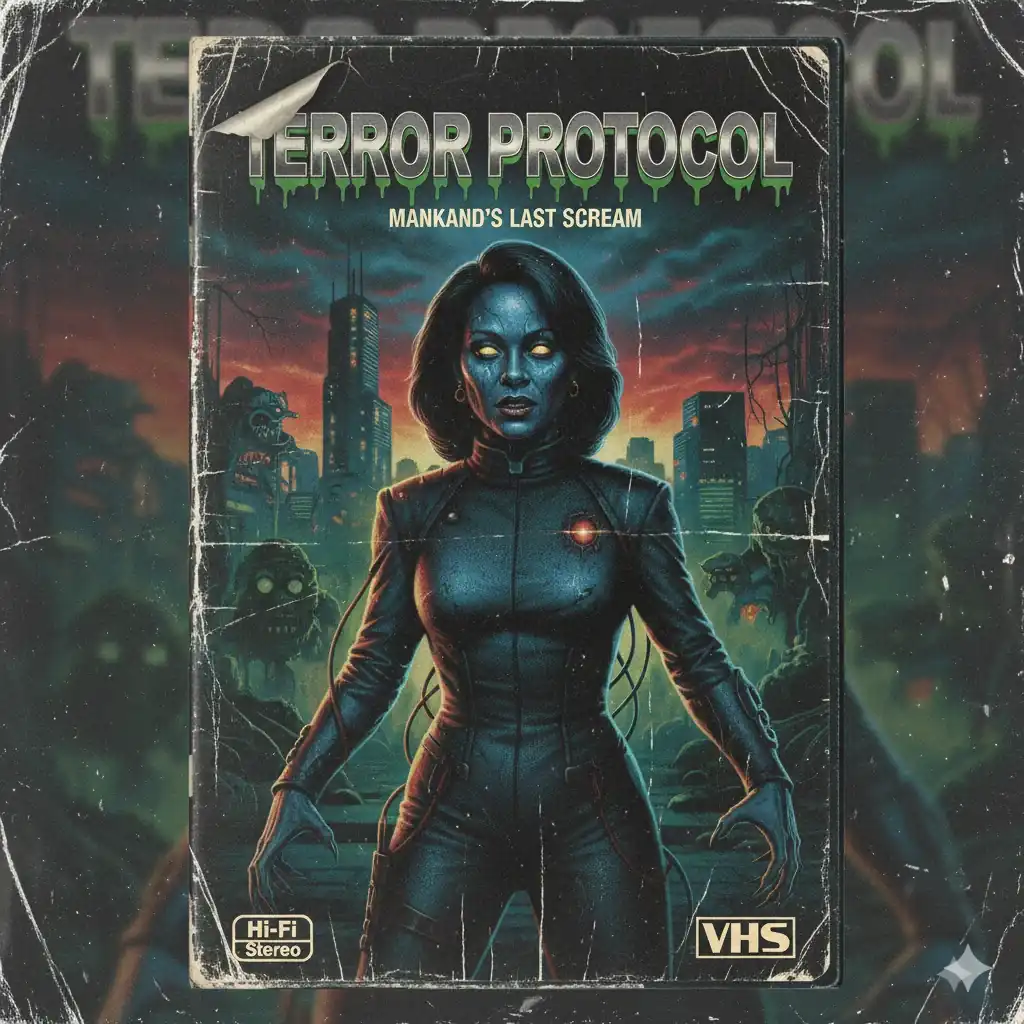
[Subject Image] Transform into a worn 1980s VHS tape cover. - **Genre**: Sci-Fi or Horror B-movie - **Art Style**: Airbrushed realistic illustration - **Typography**: "Title" in dripping or metallic chrome font - **Details**: "Hi-Fi Stereo" logo, "VHS" logo - **Condition**: Worn corners, sticker residue, plastic case texture - **Vibe**: Cult classic found in a bargain bin
Key Detail: "Airbrushed realistic illustration" is the defining visual technique of 1980s VHS box art—a painted, almost photorealistic but clearly artificial aesthetic. The "dripping or metallic chrome font" and logos ("Hi-Fi Stereo", "VHS") are period-specific brand markers. "Worn corners, sticker residue, plastic case texture" ground it as a physical object that's been handled and stored, while "cult classic found in a bargain bin" frames this as a B-movie, giving it B-grade authenticity rather than mainstream polish.
The 8-Bit Game Cartridge (NES Style)
Create a classic video game label.
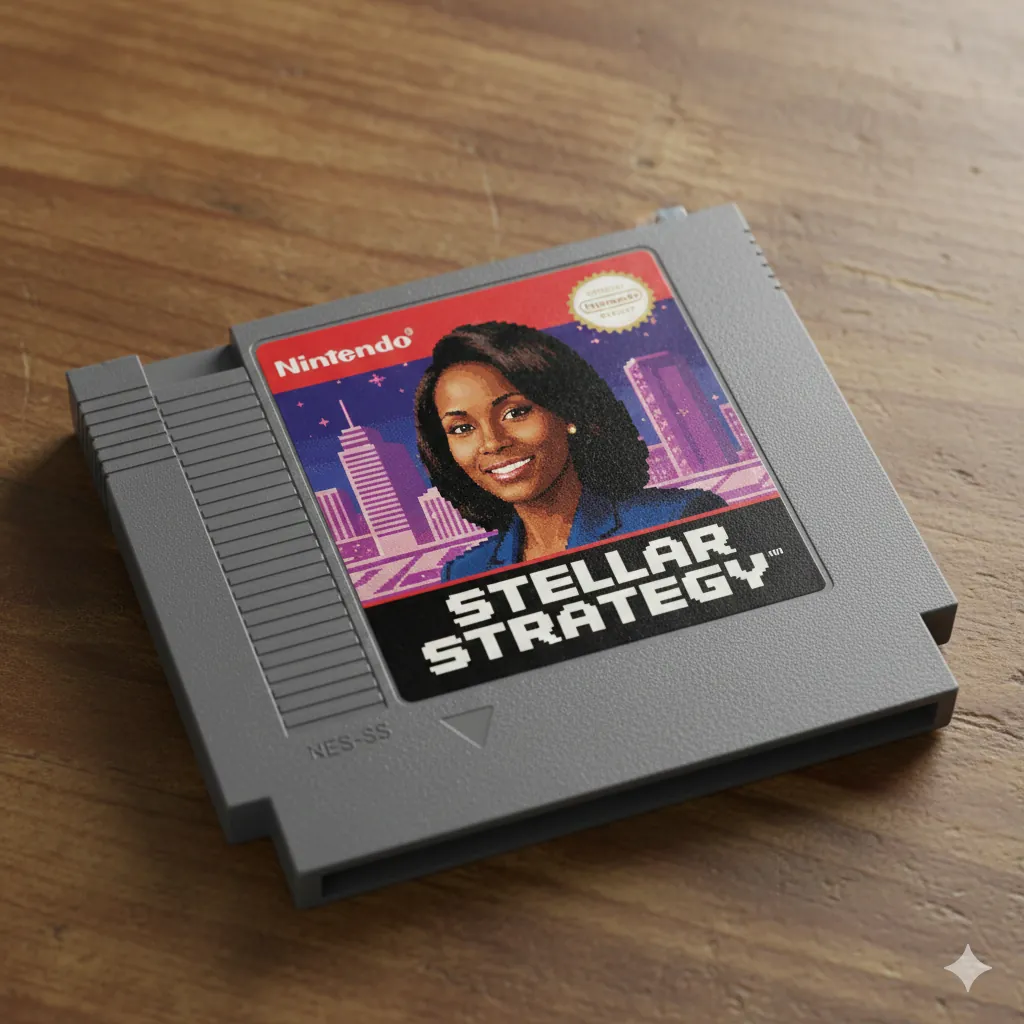
[Subject Image] Transform into a NES video game cartridge label. - **Object**: Grey plastic game cartridge - **Label Art**: Pixel art or 80s box art illustration of subject - **Graphics**: "Nintendo" seal of quality, red stripe at top - **Title**: "[GAME NAME]" in pixel font - **Texture**: Textured grey plastic, slightly peeling label - **Angle**: 3/4 view of the cartridge lying on a table
Key Detail: The "Nintendo seal of quality" and "red stripe at top" are instantly recognizable design language of NES box art. The "grey plastic" cartridge texture and "slightly peeling label" ground it as a physical, used object from decades of gameplay and storage. "Pixel art or 80s box art illustration" signals the era—neither modern nor realistic, but the specific aesthetic of late 1980s video game marketing. The "3/4 view lying on a table" framing is crucial: it transforms the image from a flat label into a dimensional object with depth, shadow, and presence.
Troubleshooting
Next Steps
- Toy Transformations: Turn your retro self into a toy.
- Text & Design: Learn more about typography and layout.
Related Articles & Guides
 #nano-banana
Quick Transformation Prompts: Instant Styles
Fast, ready-to-use transformation prompts for instant style changes with Nano Banana.
 #nano-banana
Nano Banana Transformations: Creative Photo Reimagining
Transform your photos into action figures, 3D collectibles, retro styles, and creative characters with Nano Banana. Master personal photo transformations with detailed prompts.
 #nano-banana
Toy Transformations: Action Figures & Collectibles Guide
Turn photos into retro action figures and 3D collectibles with Nano Banana. Master the art of toy transformations and packaging design.